A Summary of 9 months of Learning, Connection & Growth within Locally-led Leadership in East Africa.
Written by Magdaline Agunda, Programs & Operations Associate at MAMA HOPE.
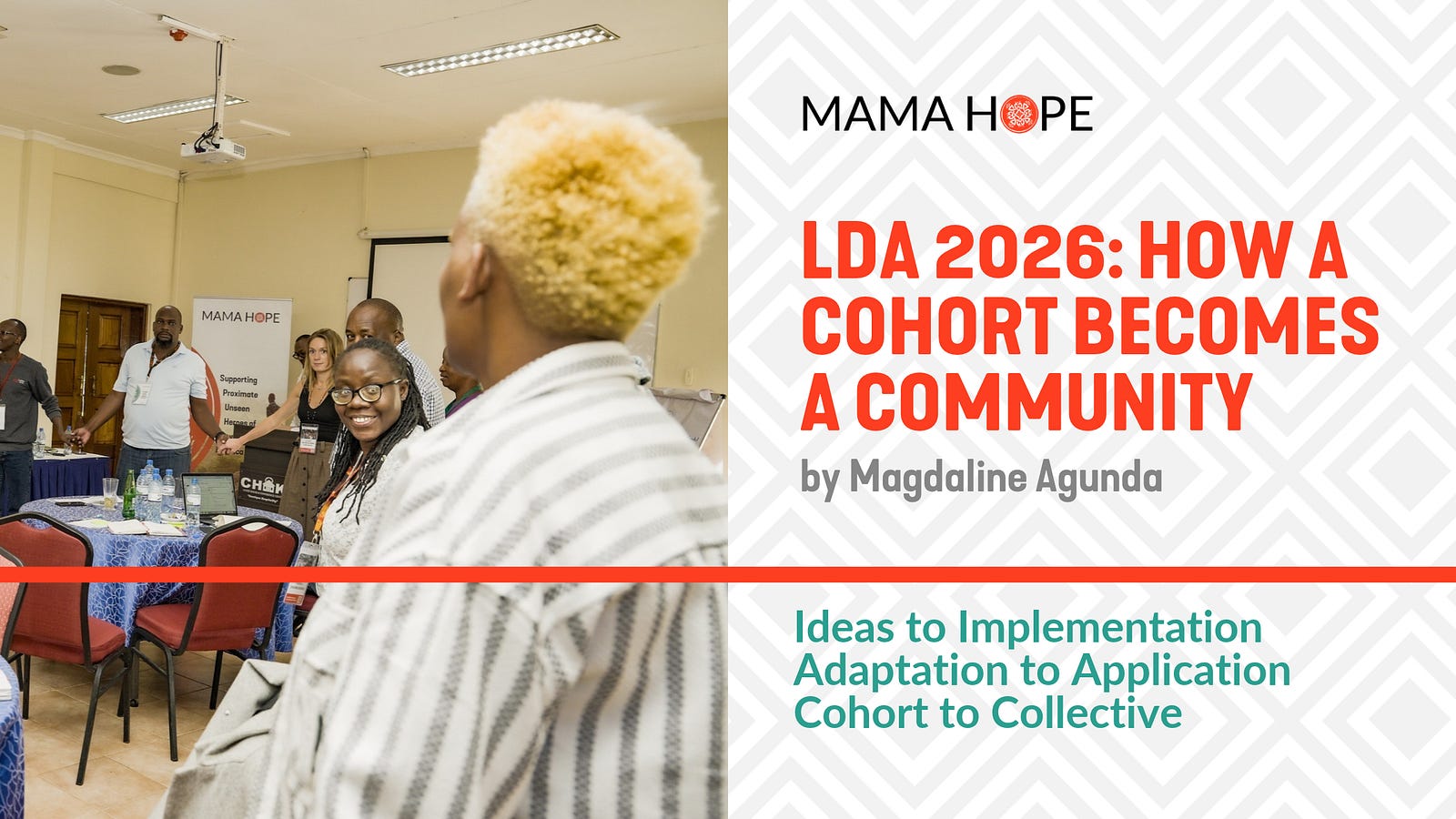
Over the past year, 22 locally-led organizations from Kenya, Rwanda, Tanzania, and Uganda have been learning, experimenting, challenging themselves, and growing together through MAMA HOPE’s Localization Development Accelerator (LDA).
The 2026 cohort brought together organizations working across Health, Literacy, Livelihoods, Skilling, LGBTQI+, Youth & Climate.
However, the LDA is about more than completing a series of modules.
It is about strengthening leaders and the systems behind the organizations they lead, so that they can impact communities with greater clarity and strength, tell their stories with confidence, mobilize resources, and create lasting change.
Together, these organizations formed more than a cohort. They became a learning community sharing experiences, asking difficult questions, making connections, and learning from one another.
Throughout the journey, we have seen partners begin to turn learning into action.
Nine Months of Learning, Reflection and Practice.
The LDA journey moved beyond theory and focused on the practical realities of leading and strengthening an organization.
Throughout the program, partners explored questions such as:
What problem are we really trying to solve?
What kind of organization do we want to become?
How do we build systems that can support our growth?
How do we measure and communicate our impact?
How do we tell our stories in ways that connect with the people we want to reach?
How do we build relationships and mobilize resources without losing sight of our values?
The journey included learning about:
- Strategic Planning and Organizational Direction
- Theory of Change and Problem Definition
- Operational Planning and Sustainable Budgeting
- Monitoring, Evaluation and Learning (MEL)
- Communications, Branding and Storytelling
- Fundraising and Resource Mobilization
- Pitching and Positioning
- Leadership Development
- Networking and Relationship Building
- Peer Learning and Mentorship
- Organizational Systems and Governance
However, the classroom was only one part of the experience.
Partners also learned through one-on-one coaching, mentorship, peer exchange, facilitating Stay for Tea conversations, and networking opportunities through conferences and events
The partners are currently winding down the program by taking part in #PitchFest 2026, which brings together all the learning they’ve gone through in the LDA. Supporting them to make a clear case for their organizations and impact, so they can better articulate their work and where they may need support.
Two Days of Bringing Community to Life
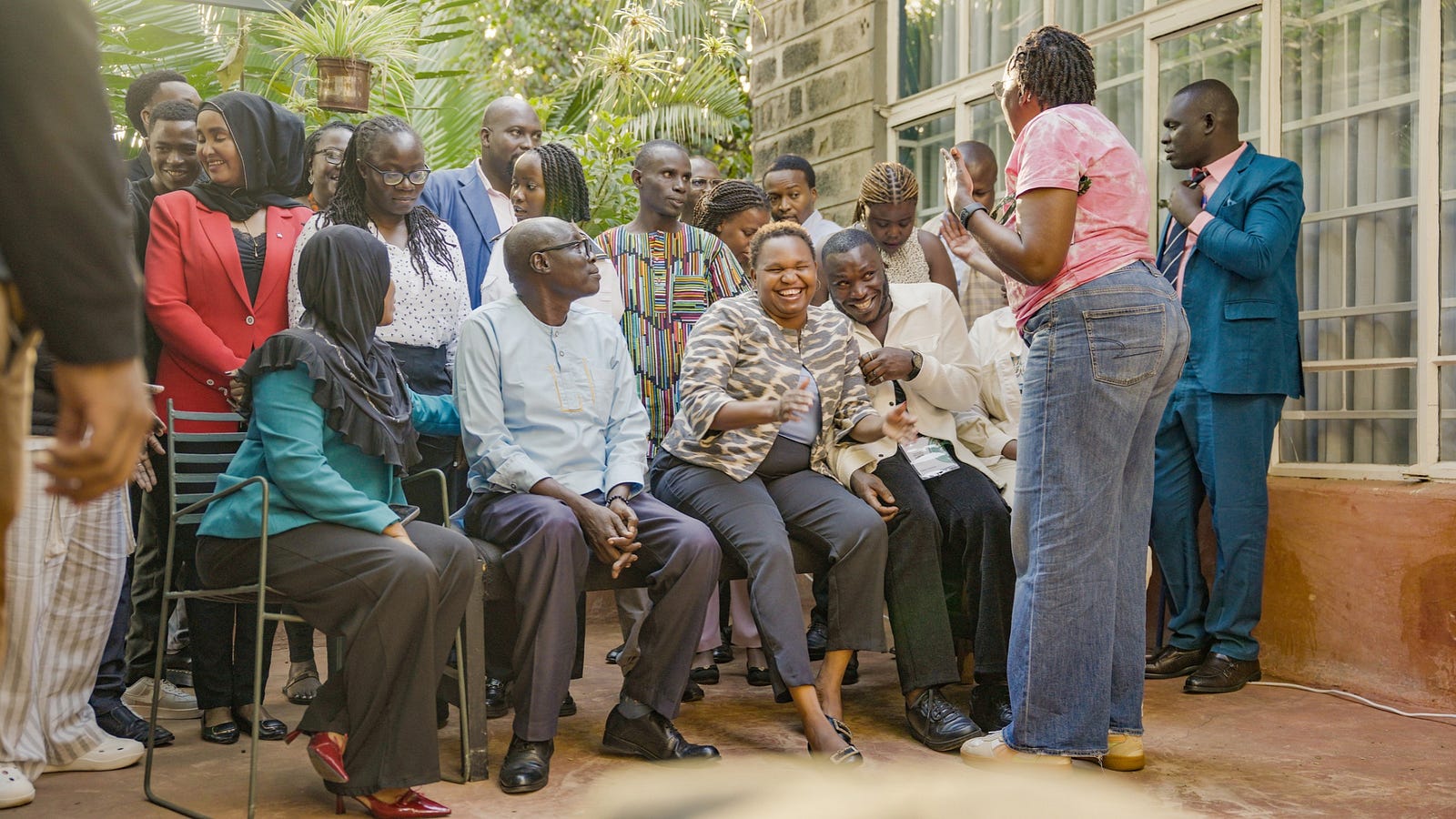
While much of the LDA journey happened through virtual sessions for 2 hours every week, one of the highlights of the 2026 cohort was coming together in-person for 2 days of introduction, learning, reflection, and connection in Nairobi, Kenya.
It was an opportunity to meet fellow cohort members face-to-face and create the kind of relationships that are difficult to build through virtual sessions alone.
Over the two days, partners came together to learn, ask questions, share experiences, and reflect on the challenges and opportunities they are navigating within their organizations.
The gathering brought together different parts of the LDA journey, from problem definition and strategy to organizational systems, leadership, MEL, storytelling, and sustainable growth.
But some of the most valuable moments happened outside the formal sessions.
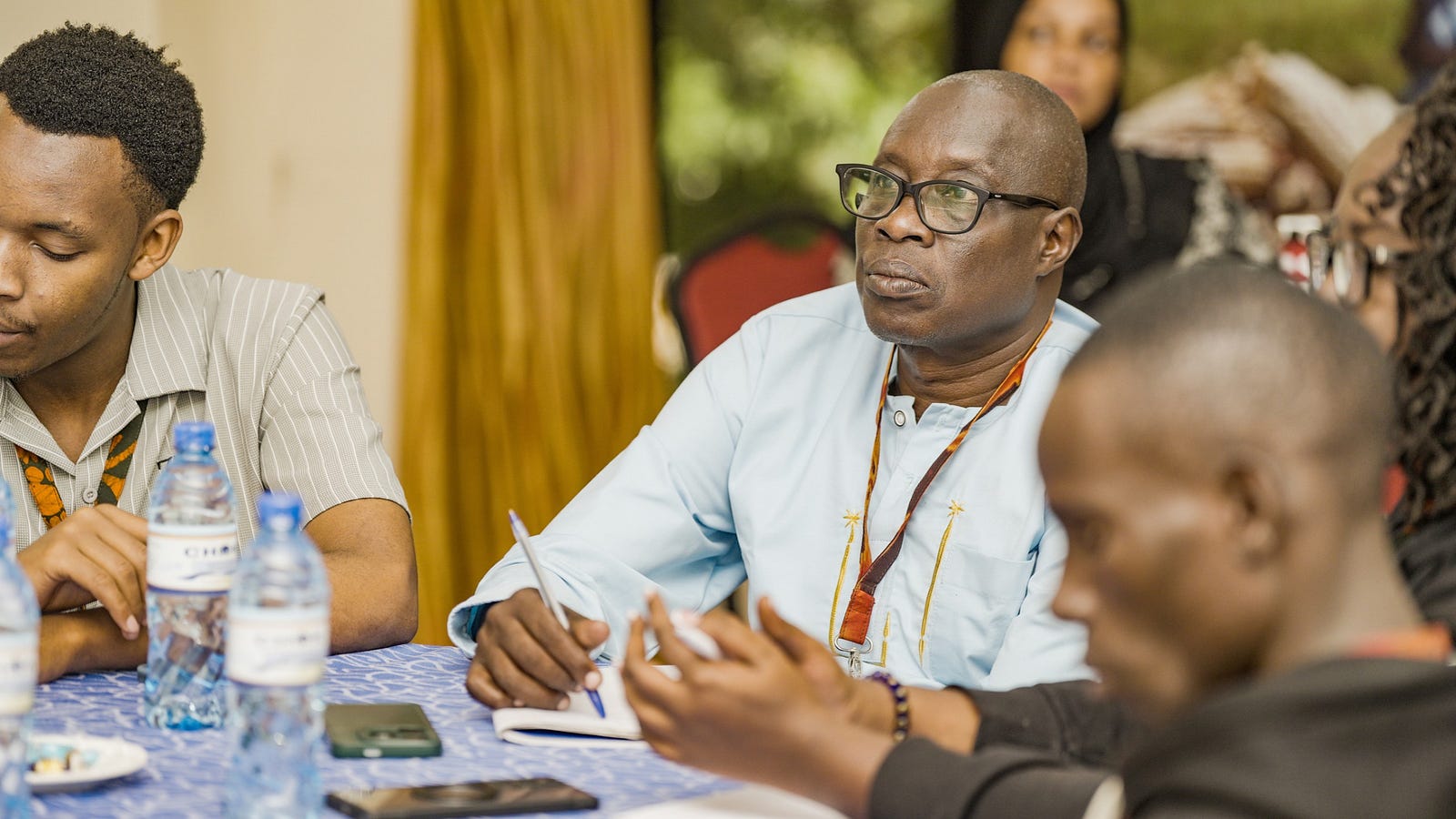
Over meals, conversations, group activities, and informal exchanges, partners discovered common challenges, shared practical solutions, and began building relationships that could continue beyond the program.
For a group made up of organizations working across four countries and very different sectors, those connections mattered.
The gathering was a reminder that locally-led leadership is strengthened not only through knowledge, but through community. And as the cohort continued through the rest of the program, those relationships became part of the learning itself.
Ideas to Implementation
One of the most encouraging parts of this year’s journey has been seeing partners take ideas from the LDA sessions and apply them in their organizations.
The stories emerging from the cohort show that organizational strengthening does not always happen through one big moment.
Sometimes it starts with a new strategy.
Sometimes it is a conversation with a mentor.
Sometimes it is finding the confidence to pitch an idea.
Sometimes it is finally putting a communications plan into practice.
Sometimes it is meeting another locally-led leader and realizing that you do not have to figure everything out alone.
Here are some of the stories that stood out from the 2026 journey:
GURD Rwanda: Unclear Direction to Greater Strategic Clarity
For GURD Rwanda, the LDA journey supported allowing the space to think more intentionally about leadership, strategy, and organizational growth.
The organization reflected that before LDA, its leadership team had passion and commitment but lacked sufficient strategic clarity to guide the organization’s growth.
Through the LDA experience, GURD Rwanda worked on strengthening its strategic direction and organizational thinking.
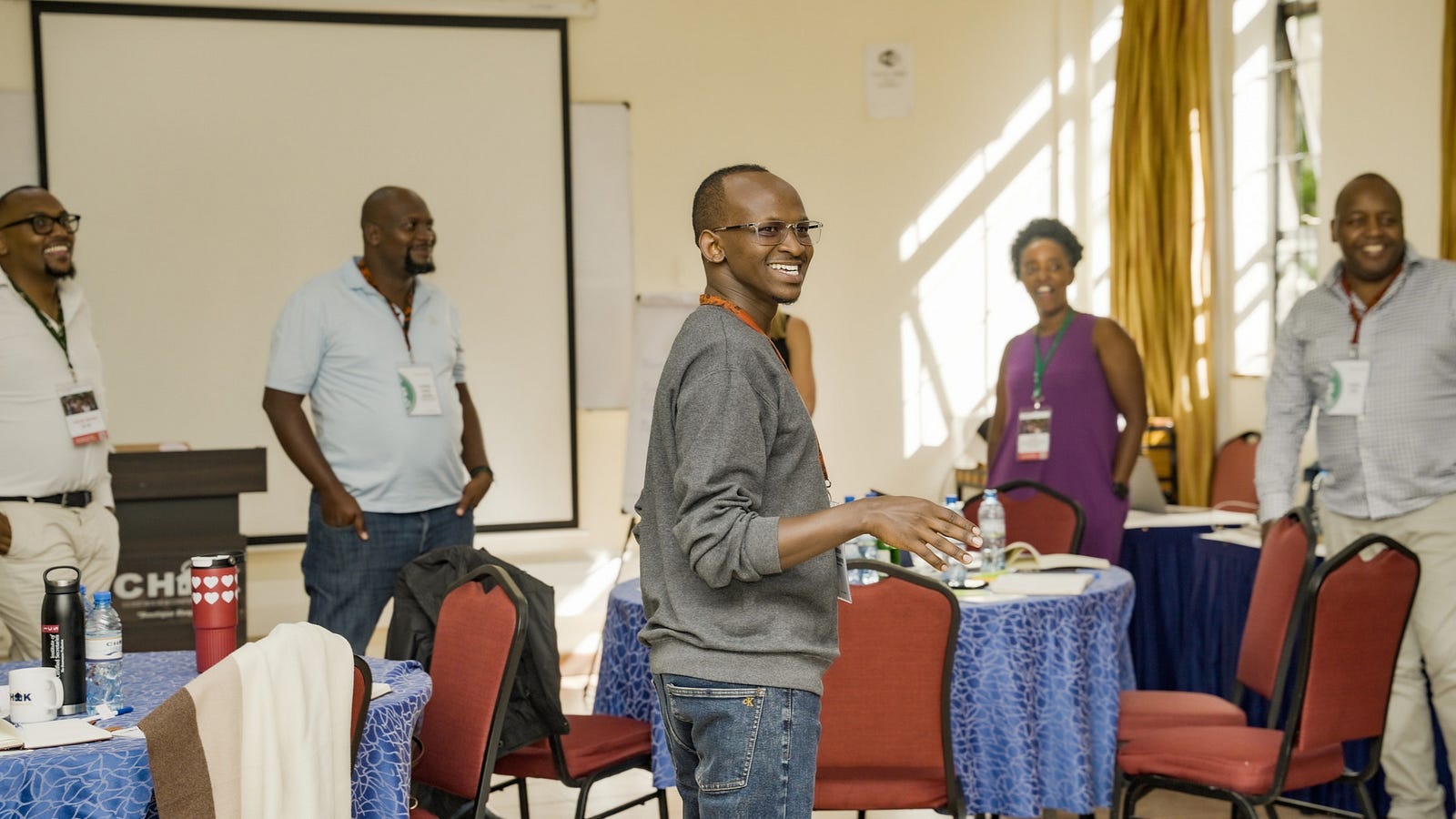
That learning has continued beyond the classroom.
The organization also participated in the AMPLIFY Girls CDO Storytelling Fund competition, following MAMA HOPE’s storytelling module, and was selected as one of five Community-Driven Organizations to receive a $700 award.
For GURD Rwanda, storytelling became more than a communications exercise. It became another tool for making its work visible and opening doors to new opportunities.
Generation Aid: Fundraising Learning into Opportunity
For Generation Aid, the LDA journey connected leadership development, fundraising, storytelling, and resource mobilization.
The organization recently secured a USD 15,000 grant from RefugePoint and signed an MoU for a nine-month program supporting refugee women in Kakuma with digital skills and pathways to employment.
The story reflects an important part of the LDA journey: strengthening an organization’s ability to clearly communicate its work, position its ideas, and engage potential funders and partners.
For Generation Aid, this is part of a wider journey of building opportunities for refugee communities through locally-led solutions.
Northern Kenya Fund: Strengthening the Systems Behind the Work
For Northern Kenya Fund (NKF), the LDA journey has focused not only on programs, but on the systems that make them possible.
The organization reports strengthening areas including Governance, Organizational Systems, Financial Management, Monitoring, Evaluation and Learning (MEL), Resource Mobilization, and Strategic Planning.
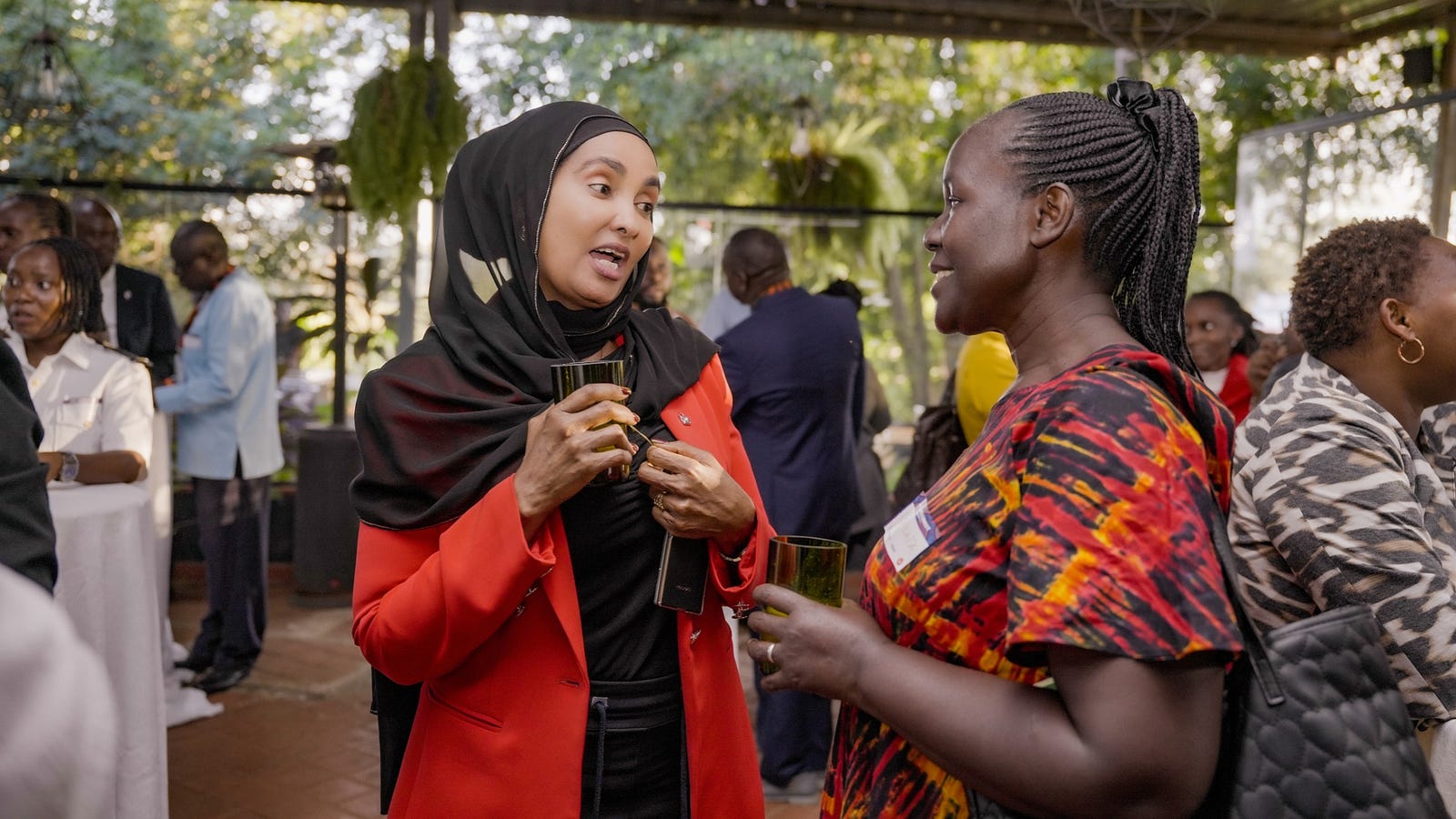
These changes matter because strong community programs require strong organizations behind them.
The LDA provided Northern Kenya Fund’s leadership team with practical tools and learning to strengthen the organization as it continues to grow.
Mentorship: Learning from the Experts
Mentorship has been another important part of the LDA experience. Partners have had opportunities to receive guidance, ask questions, reflect on organizational challenges, and connect their work with people who bring different experiences and perspectives.
One example is Sauti Salama, where mentor & MAMA HOPE Board Member — Susan Davis used her professional network to explore potential in-kind financial auditing support for the organization.
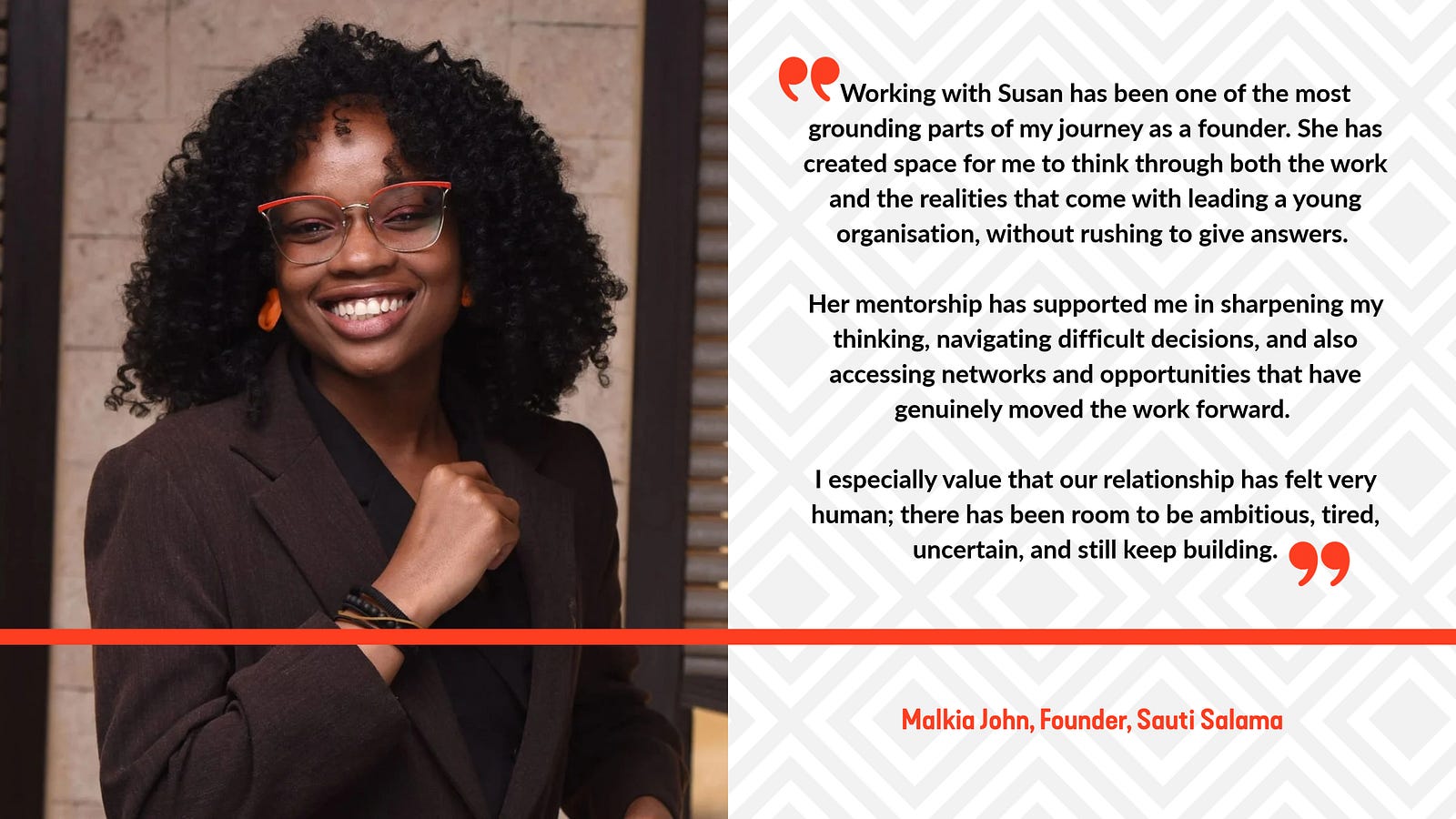
Susan’s supported in creating opportunities for Malkia to share her experience and perspective through an external climate storytelling platform.
These moments demonstrate what mentorship can become when it moves beyond advice and into practical support, connections, visibility, and resource sharing.
Beyond the Classroom
The LDA experience is never just about modules. Throughout the 9 months, partners were encouraged to learn from one another and from the wider MAMA HOPE network.
By taking part in Stay for Tea monthly sessions, peer group mentorship, coaching, conferences, networking opportunities, and shared conversations, partners had space to discuss the realities of organizational leadership, including fundraising challenges, hiring and retention, donor relationships, communications, leadership, and winning at conferences.
These spaces created something particularly valuable: a community where leaders could learn without having to pretend they had everything figured out.
Feedback in Numbers
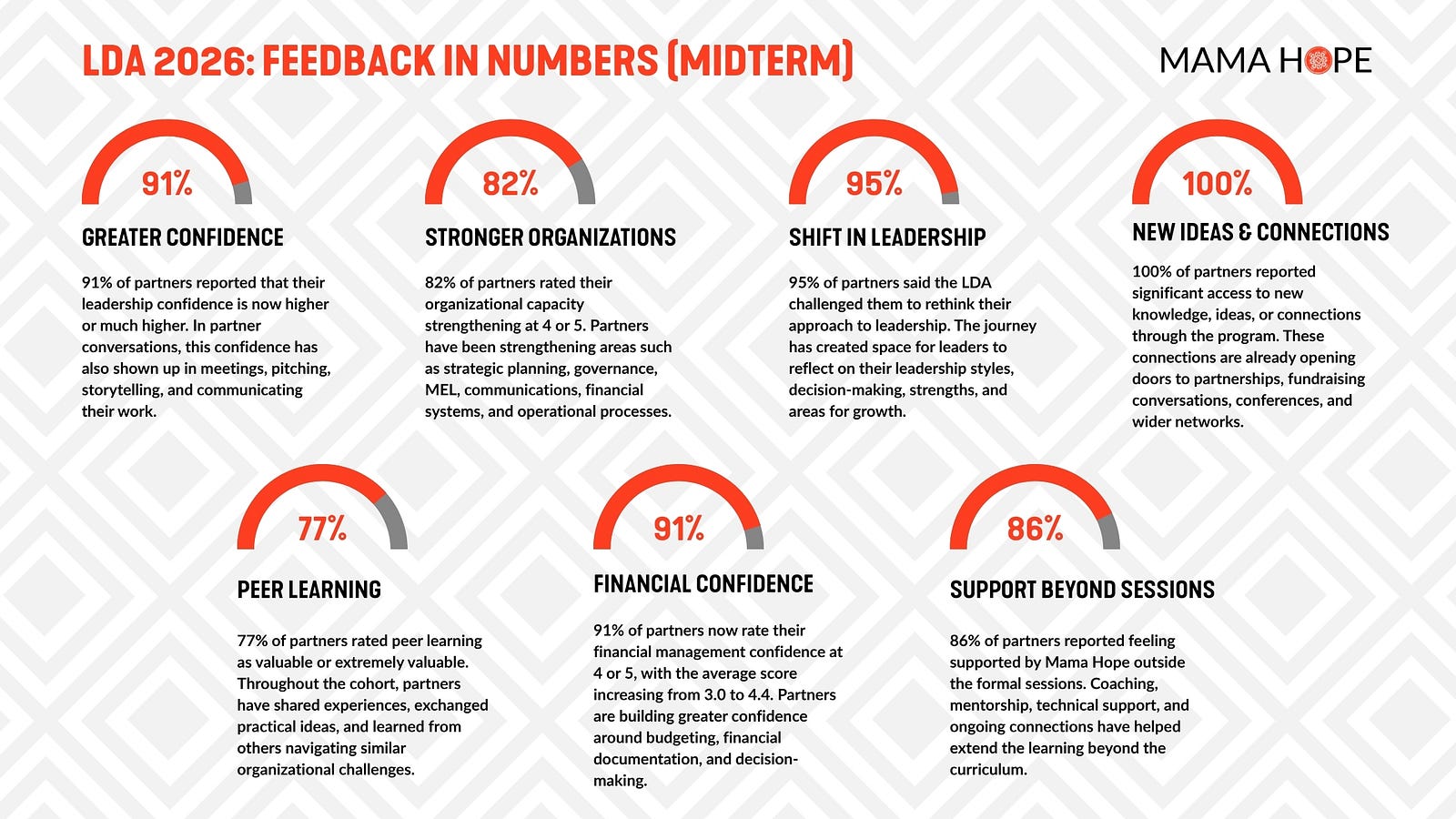
Across partner meetings and mid- program feedback, we are seeing encouraging signs of growth in leadership, organizational systems, confidence, relationships, and access to new opportunities.
Beyond the Numbers
These figures are only one part of the story.
Behind each percentage are leaders testing new approaches, strengthening systems, building relationships, and applying what they are learning within their organizations.
We are already seeing that application through the stories emerging from the cohort, from new fundraising opportunities and stronger organizational systems to storytelling, mentorship, and peer collaboration.
Adaptation to Application
The end of the 9-month LDA journey is not the end of the learning.
If anything, it marks the point where learning becomes even more important.
The next chapter is about application:
How will the strategic plans developed during LDA guide organizational decisions?
How will MEL systems support partners learn from their work?
How will storytelling continue to open doors?
How will fundraising skills translate into stronger resource mobilization?
How will peer relationships develop into partnerships?
How will the systems strengthened through LDA support organizations continue leading from their communities?
These are the questions that will shape the next stage of the journey.
Cohort to Collective: Keeping the Connections
The LDA journey does not end when the 9-month program comes to a close.
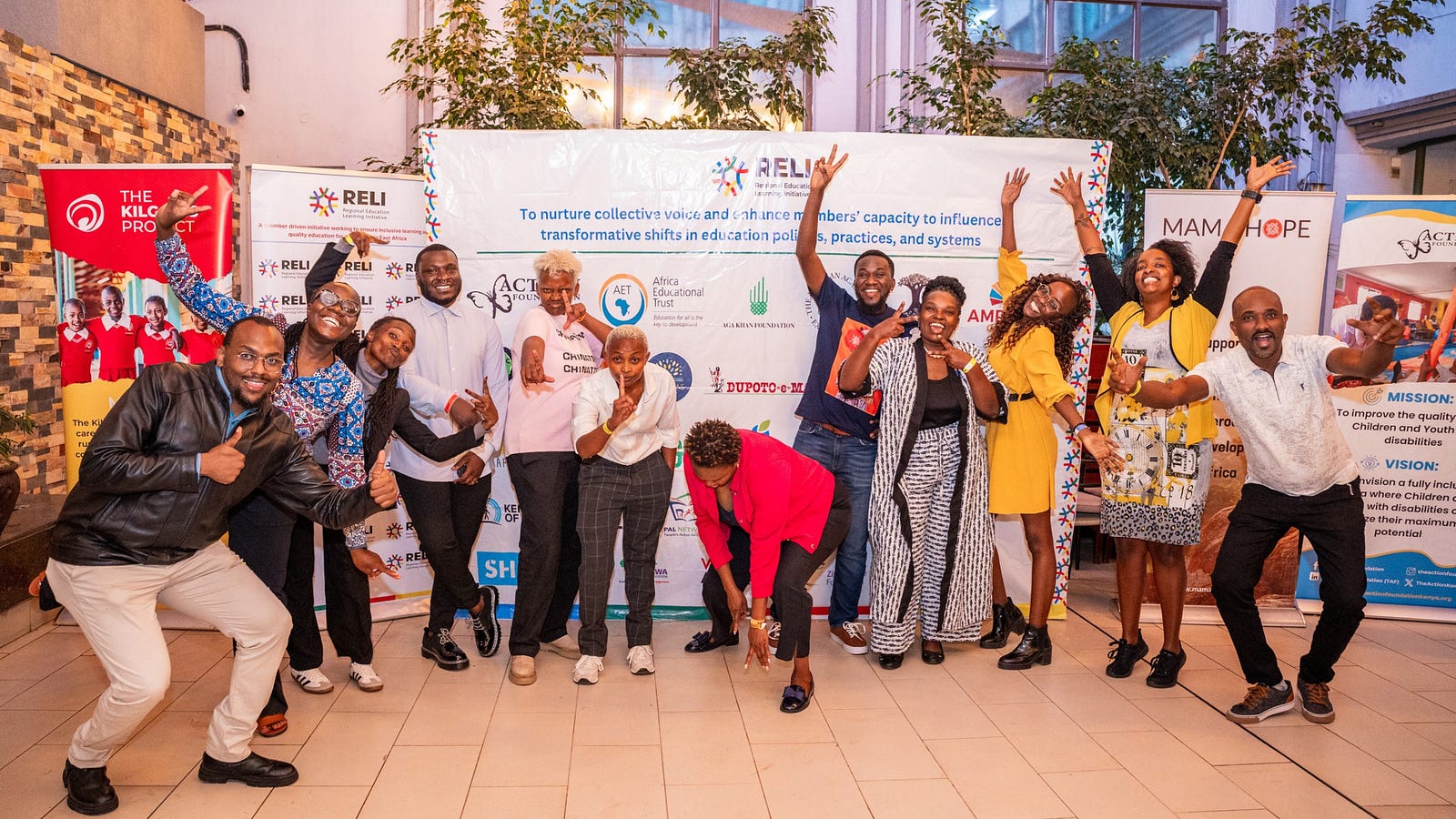
As the 2026 cohort completes LDA, partners have the opportunity to join The Collective, a partner-driven, voluntary network of graduated MAMA HOPE partners advancing locally-led development.
The Collective brings together organizations that have previously participated in MAMA HOPE programs, creating space for relationships built during LDA to continue growing beyond the classroom.
For the 2026 cohort, joining The Collective means becoming part of a wider community where locally-led organizations can learn from one another, collaborate, share opportunities, and build connections across countries and sectors.
The Collective is alumni-led, with leadership chosen democratically by members to help coordinate with external partners, including MAMA HOPE, donors, and other sector players. It grows organically wherever MAMA HOPE alumni are building impact and membership is voluntary.
What does that look like in practice?
Members of The Collective can access opportunities for:
- Collaboration and Funding: Partners can work together on initiatives focused on systems change, with funding considered based on available resources.
- Peer-to-Peer Exchanges: Travel grants can support partners to visit one another and learn directly from each other’s work.
- Fiscal Sponsorship: Support is available for individual organizations and Collective-led initiatives.
- Meeting and Networking Support: Members can access online meeting platforms and invitations to in-person networking opportunities.
- Ongoing Learning: Webinars and knowledge-sharing sessions create continued opportunities for learning, networking, and growth.
- Information Sharing: Members receive updates on relevant grants, learning, networking, and conference opportunities.
- Media Visibility: Members can be featured on the MAMA HOPE website and receive support for advocacy campaigns.
- Referrals: The Collective can connect partners with organizations and funders looking for potential collaborators, including through letters of recommendation.
For the 2026 cohort, this is an opportunity to take the relationships built during LDA and continue building on them.
A conversation that began during a workshop can become a collaboration. A peer connection can become a shift in doing things better and differently. A new relationship can open the door to a funding or networking opportunity.
The 9-month LDA journey may be coming to an end, but the community around it continues to grow.
Interested in learning how you can we can customize the program curriculum to fit your grantee partners? Email us at global@mamahope.org.
About the Author
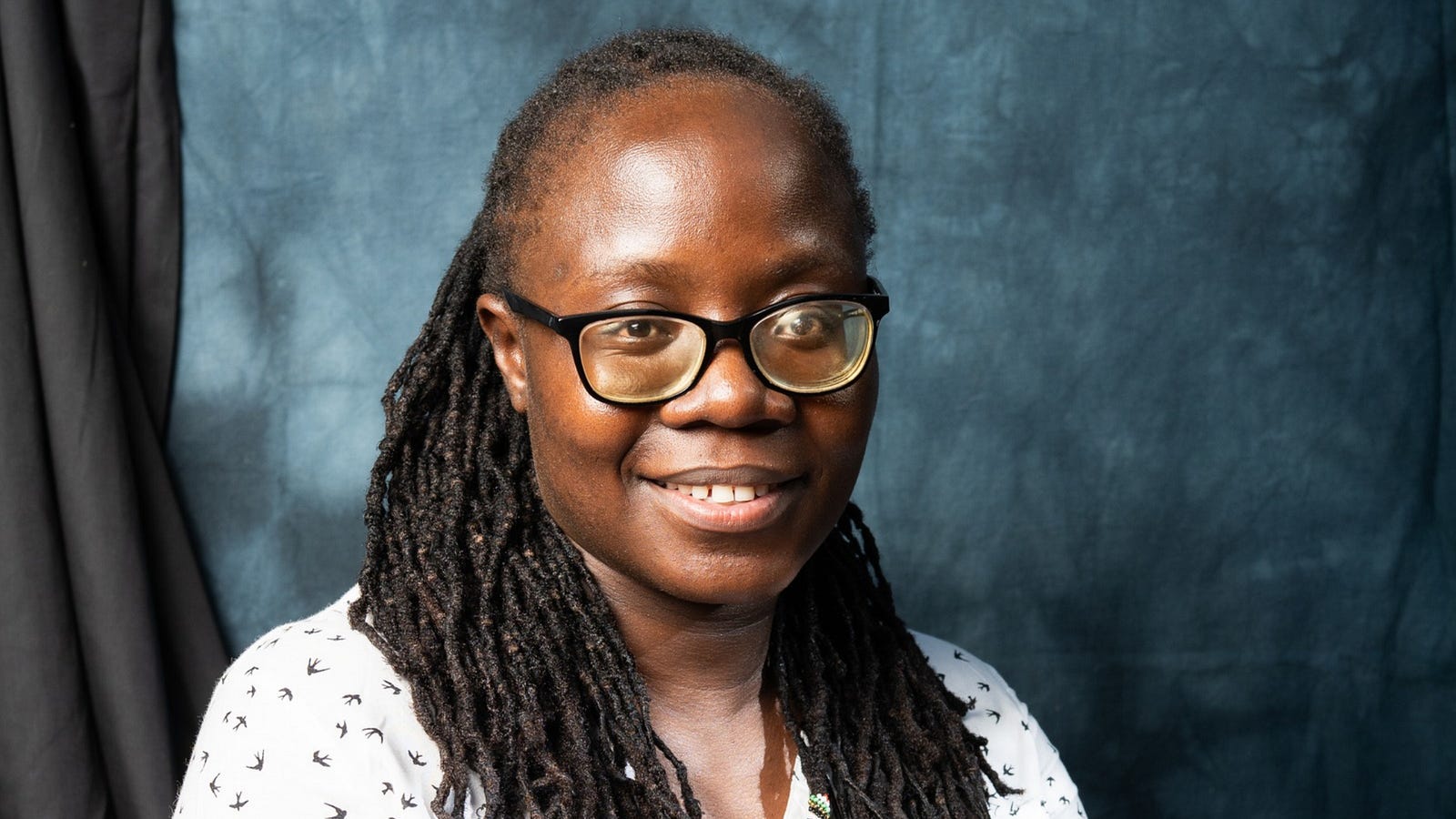
Magdaline joined MAMA HOPE in January 2026, into a role that has grown to bring together program coordination, operations, Monitoring, Evaluation and Learning (MEL), and partner engagement.
Working across these areas has given her a unique view of what it takes to support locally-led organizations, from supporting programs run smoothly and creating spaces for partners to learn and connect, to building MEL systems that give the organization an understanding of what is changing and why.
“What I have come to value most about my work is finding the story behind the data: seeing how a training becomes a new organizational practice, how a connection becomes a partnership, or how a leader’s growing confidence translates into action.” Magdaline Agunda, Programs & Operations Associate at MAMA HOPE.
From supporting the LDA 2026 journey and documenting partner stories to strengthening MAMA HOPE’s MEL dashboard and learning systems, Magdaline is passionate about making the work of locally-led organizations more visible, while learning from the organization’s collective experience and continuous improvement on how partners are supported.