The Problem: A good idea is not the same as a strong organisation, and the gap between the two is not necessarily a failure of leadership. It may be an investment gap.
by Vincent Mwangi — Co-ED at MAMA HOPE
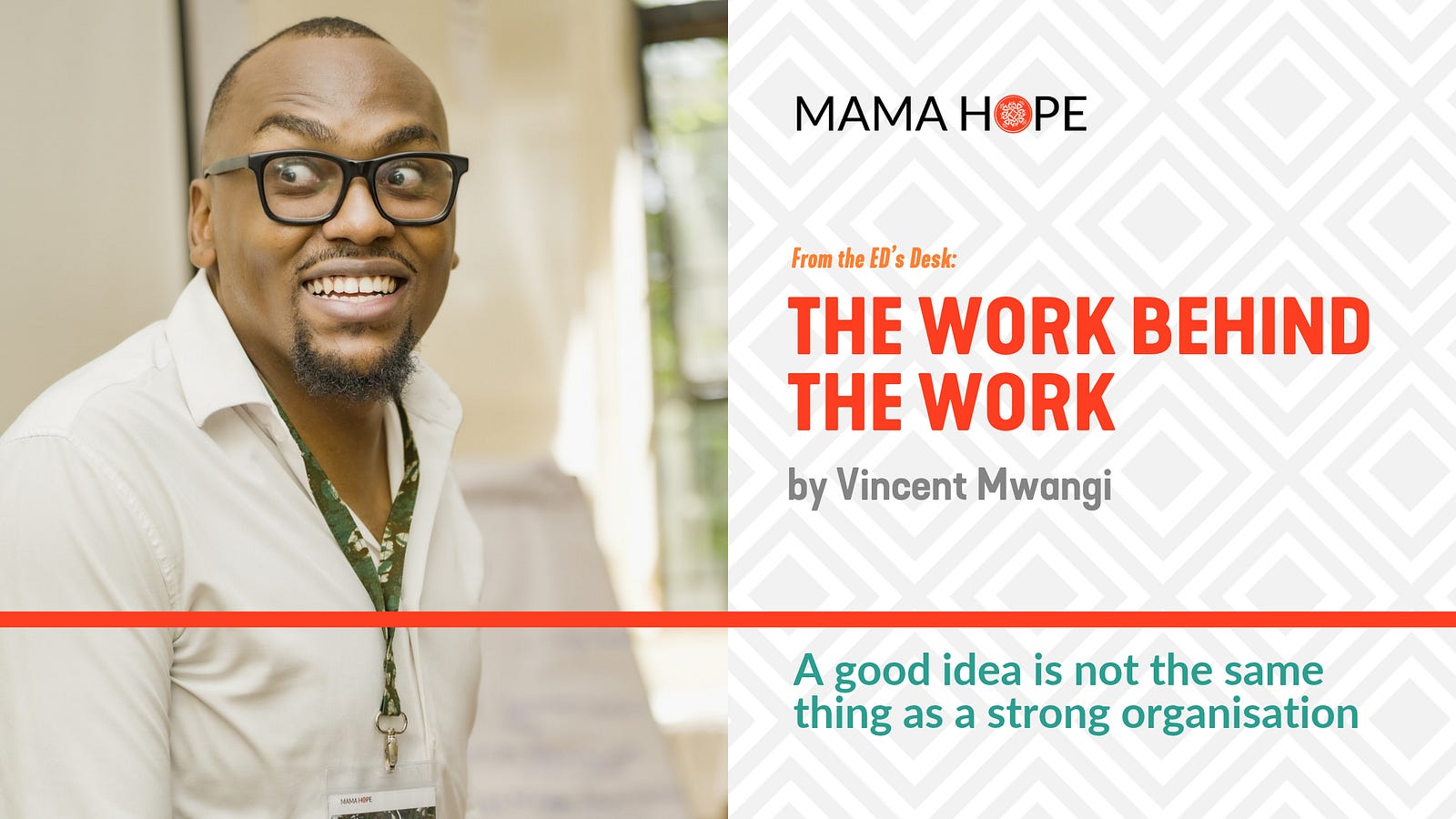
When I joined the development sector, I knew I was joining a movement for change. As an International Relations graduate, it never sat right with me how Africa was portrayed globally. I wanted to build a career that centred African expertise and agency, rather than narratives of poverty, crisis and dependency.
Fast forward, I joined MAMA HOPE, and this felt like a step in that direction. The organisation was founded on a belief that grassroots communities should be trusted, dignified, and supported as they shape their own futures.
Well… working in global development brought me face to face with the issues I had studied at university: foreign aid, dependency, neocolonialism and poverty. These were no longer just academic concepts. They appeared in the everyday realities of the organisations and communities we worked alongside.
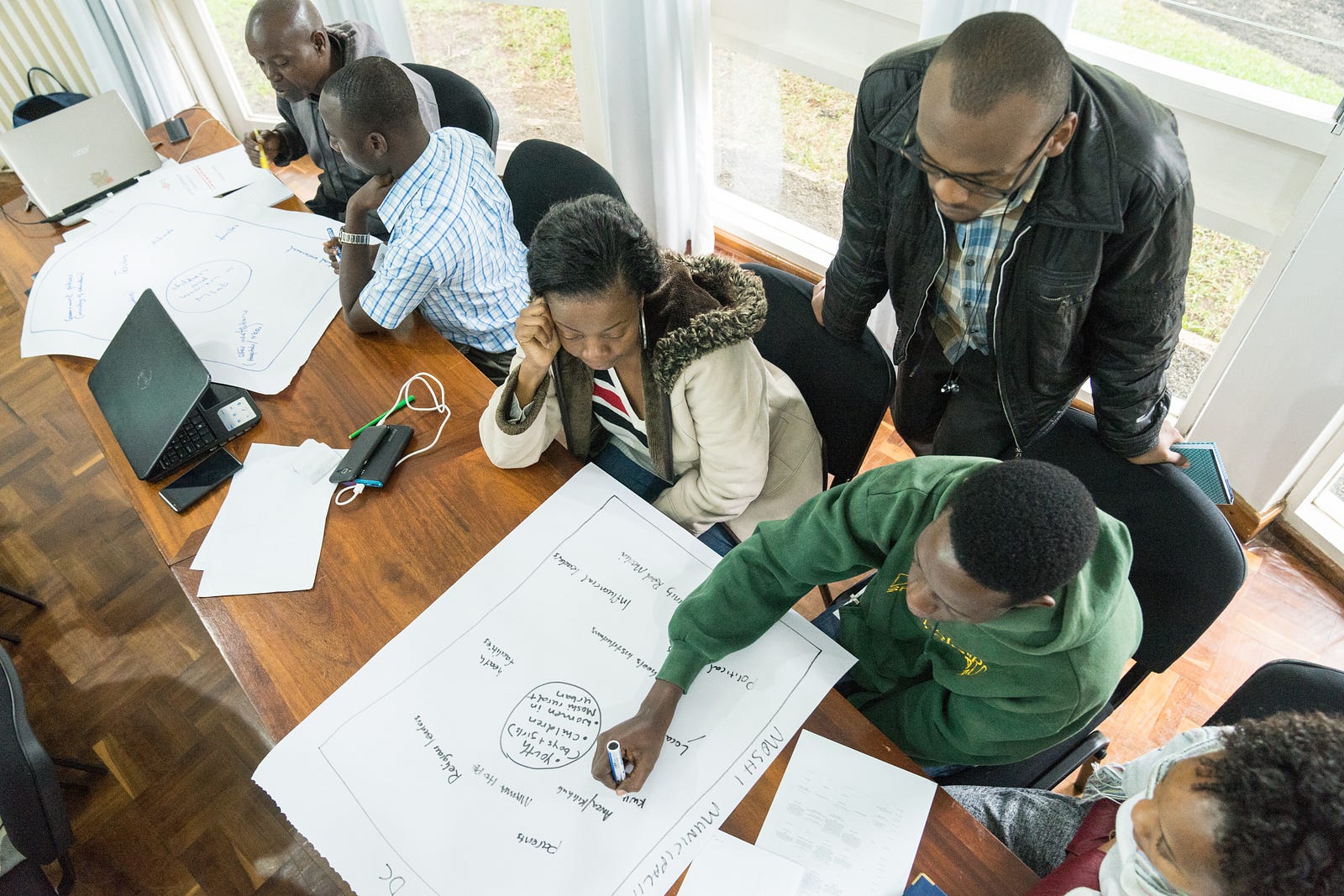
Across the Global Majority, MAMA HOPE has continuously partnered with locally led organisations responding to pressing community challenges. Their leaders have possessed something that cannot be replicated: proximity. They understand the challenges because they have lived alongside them. They have also built relationships rooted in trust and developed solutions shaped by local realities.
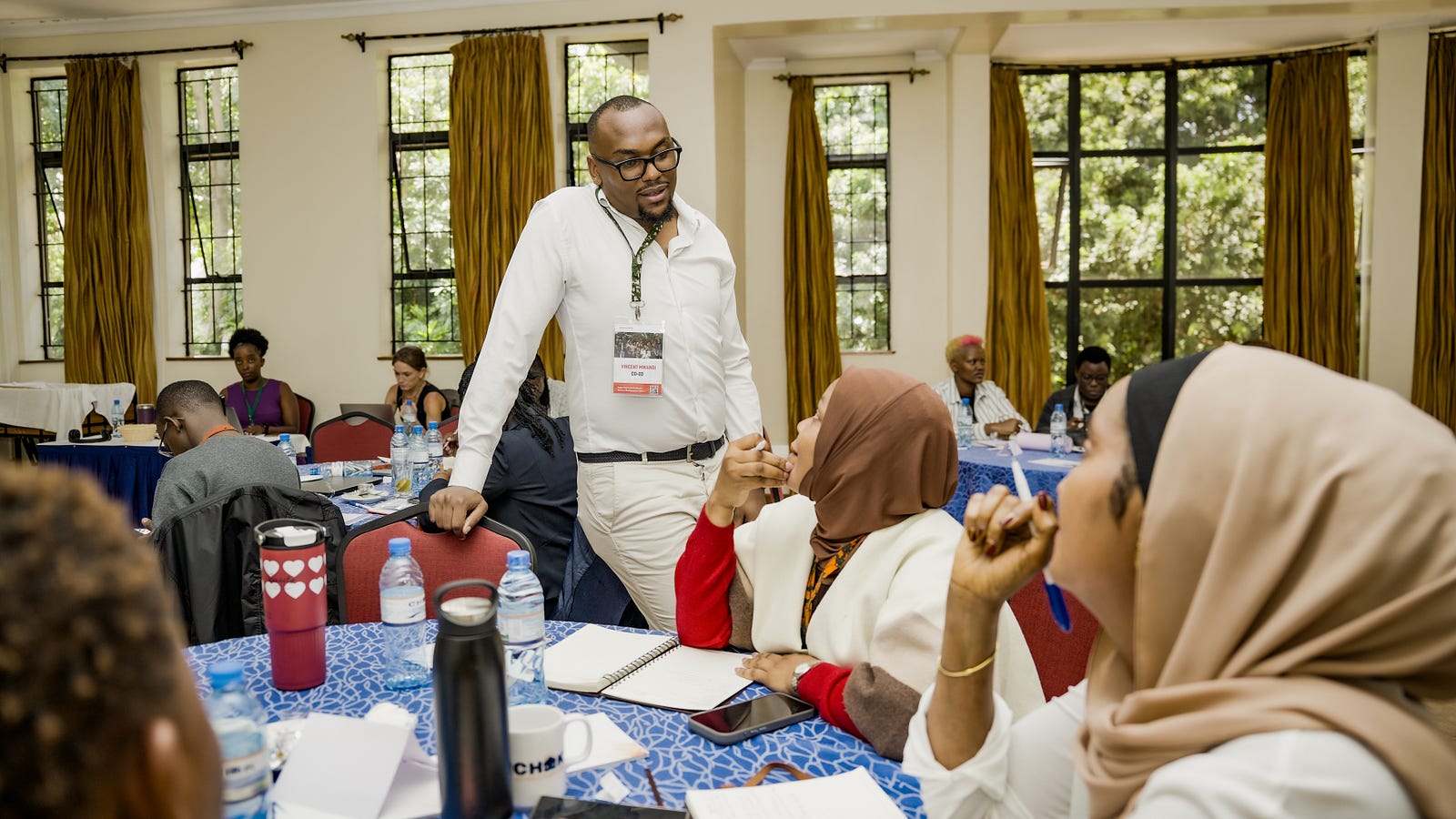
“I saw people with the knowledge, commitment, vision, and courage to lead change in their communities.” Vincent Mwangi, Co-ED, MAMA HOPE.
Going back to my beginnings, I saw people with the knowledge, commitment, vision, and courage to lead change in their communities. But I also noticed a contradiction. These organisations were trusted to address complex issues, but investment in building the organisations themselves did not always match the expectations placed upon them.
Years later, conversations with leaders show that running a locally led organisation requires more than delivering programs. These leaders are expected to develop strategies, manage finances, measure results, support their staff, build partnerships and raise funds. They must plan for the organisation’s future while keeping today’s work going. It’s worth noting that these responsibilities are not separate from the mission. They help make the mission possible.
Funding has always been restricted to specific projects, activities and immediate results. Leaders have told me that they will receive funding to deliver a program without having the time or money to strengthen their financial systems or develop their team or plan beyond the grant period. The expectation is that organisations also deliver results, demonstrate impact and become sustainable. But the investment required to build those foundations is not always part of the equation.
The question is: How can we expect locally-led organisations to sustain solutions for their communities if we do not adequately invest in their ability to sustain themselves?
My experience at MAMA HOPE has pushed me to think more deeply about what recognising local leaders’ expertise and agency requires in practice. It cannot end with acknowledging local leaders or funding the activities they deliver. It must also mean investing in their ability to build strong organisations, make strategic decisions, develop their teams and plan for the future.
A good idea is not the same as a strong organisation, and the gap between the two is not necessarily a failure of leadership. It may be an investment gap. If we believe local organisations should lead change, we must ask whether our funding practices give them a fair opportunity to build organisations capable of sustaining it.
Because the question is not only whether we trust local leaders to solve problems — we should not still be talking about trust in 2026. It is whether we are willing to invest in the organisations that make their solutions possible.
This article is part of a 4-part series, From the ED’s Desk, exploring why investing in proximate leaders means investing in the organisations behind their work. In the next article, you’ll meet LDA partners and explore what leaders at different stages need to grow, before taking a closer look at MAMA HOPE’s approach to systems strengthening and what changes when organisations receive sustained investment.