Meet the leaders and understand their convictions.
by Vincent Mwangi — Co-ED at MAMA HOPE
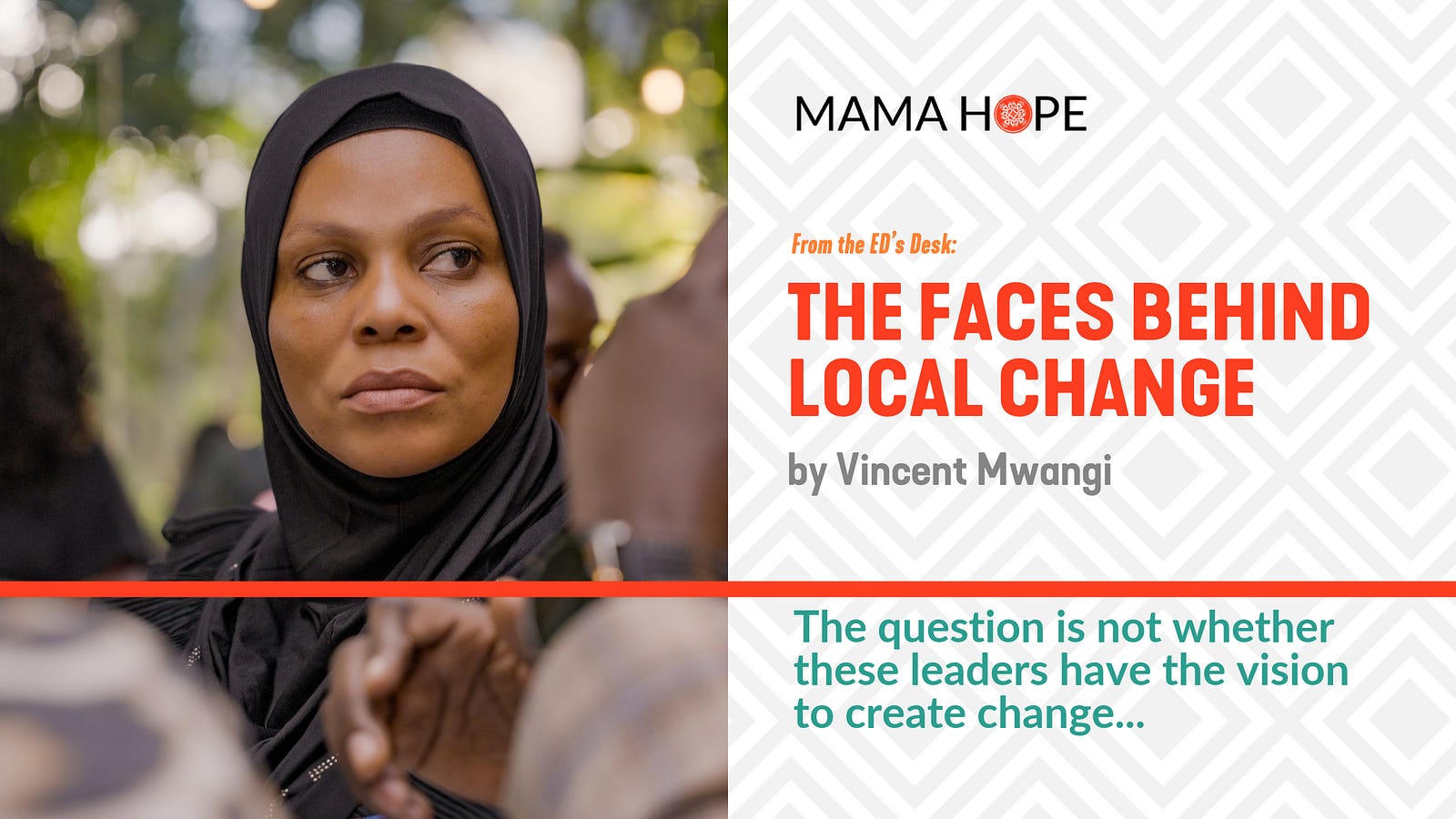
In 2018, MAMA HOPE held a Sustainability Conference in Tanzania that brought partners from across the continent together. The gathering brought these organisations together to discuss sustainability. Despite their commitment and understanding of their communities, many faced challenges, not limited to limited resources and donor dependency.
This conference introduced me to something very important: behind every community solution are people building organisations, managing teams, and navigating complex challenges and carrying the responsibility of creating lasting change. These are leaders who are deeply invested in seeing their organisations survive, grow, and continue serving the communities they were founded to support.
“Is the global development ecosystem prepared to recognise these leaders’ visions and invest in the organisations they are building?”
Across MAMA HOPE’s partner community, I have had the privilege of working alongside leaders who have turned their personal experiences, shared convictions, and understanding of local challenges into organisations, movements, and practical solutions. Their experiences could be different, but they all share a determination to shape a better future for their communities.
Meet the Leaders
Marcelin Munga
In 2015, Marcelin arrived at Kakuma Refugee Camp in Kenya as an 18-year-old refugee. He had limited resources, but a great vision. He started a small kitchen garden beside his shelter. His neighbours soon became interested. But one day he witnessed a young mother exchange her food rations for medicine, and this changed how he understood the challenges facing his community. He believed that young refugees could organise and solve issues for themselves, and could do this rather than wait for assistance. In 2018, Marcelin and his peers founded Farming and Health Education.
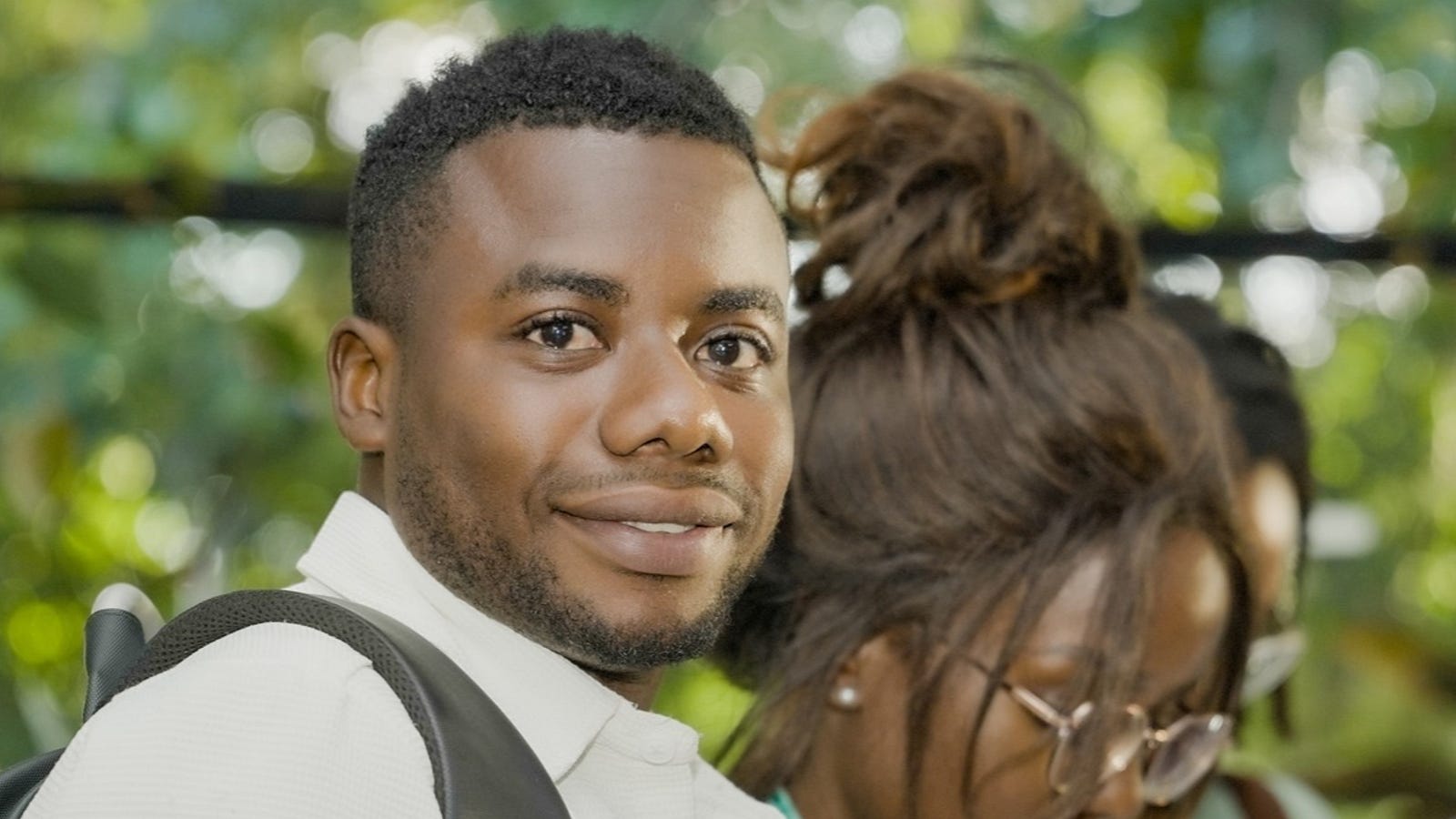
Today, the organisation works with displaced communities through regenerative agriculture, preventive health and life skills training. They have supported more than 2,100 people and established over 800 kitchen gardens. Marcelin’s journey challenges the assumption that displaced communities are simply recipients of assistance. It demonstrates the knowledge and capacity that exists within them.
Evelyn Mwandia
Still in Kenya, Evelyn, from Start a Library, grew up in a remote village in Kitui, where access to reading materials was limited. Later, she saw donated books going unused because communities lacked the structures to support and manage them.
Today, her organisation establishes school libraries, provides home literacy packs and runs mentorship and life-skills programmes. Her work is a reminder that solutions require more than resources; they require people who understand how to make those resources meaningful and accessible.
“What connects these leaders is their determination to shape change, often without the resources or institutional support that match their ambitions.”
Rehema Sanga
In neighbouring Tanzania, Rehema founded Panda Initiatives after witnessing young people and women struggle with limited opportunities. What began as small mentorship sessions and skills training has grown into an organisation focused on leadership, entrepreneurship and social impact.
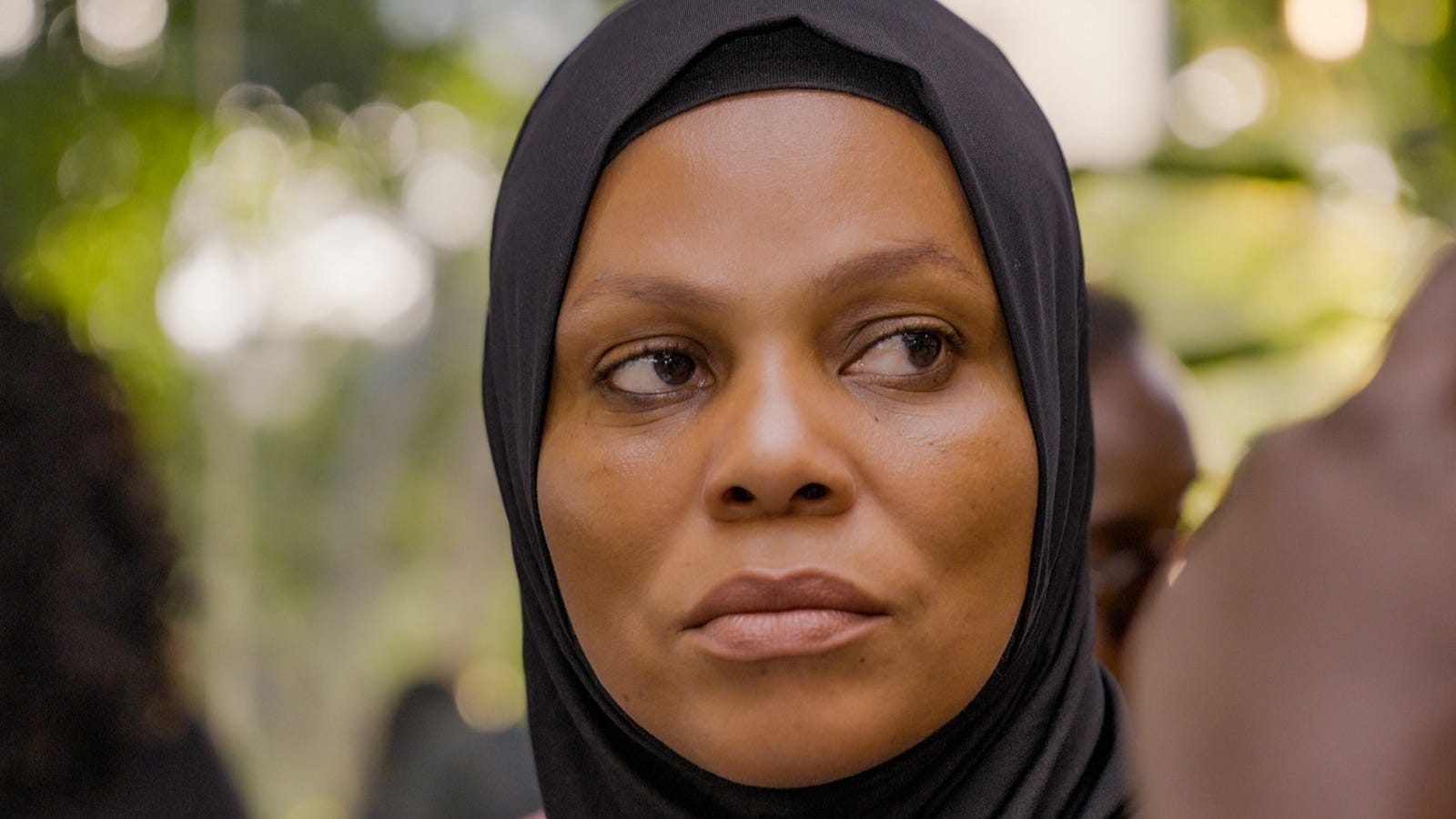
Her organisation works with communities where young women face barriers to digital access and economic participation. Its predominantly women-led team reflects a commitment to ensuring women are not only participants in development, but also decision-makers shaping it.
Charles Godfrey
Charles of Simba’s Footprints Foundation in Tanzania understands the importance of people who recognise potential and create opportunities for others. Having spent part of his childhood without a stable home, the support he received shaped his commitment to community work. Having joined Simba’s in 2017, Charles has since risen to become its Executive Director.
His organisation now serves more than 2,000 children and 300 women. His focus includes strengthening its systems, visibility, and strategic direction, so it can continue serving its community. Charles’ journey shows that leadership is also about building institutions capable of creating opportunities for others.
Ecosystem Preparedness
These four stories represent only a glimpse of the wider community of locally led organisations that MAMA HOPE partners with and are building solutions across East Africa.
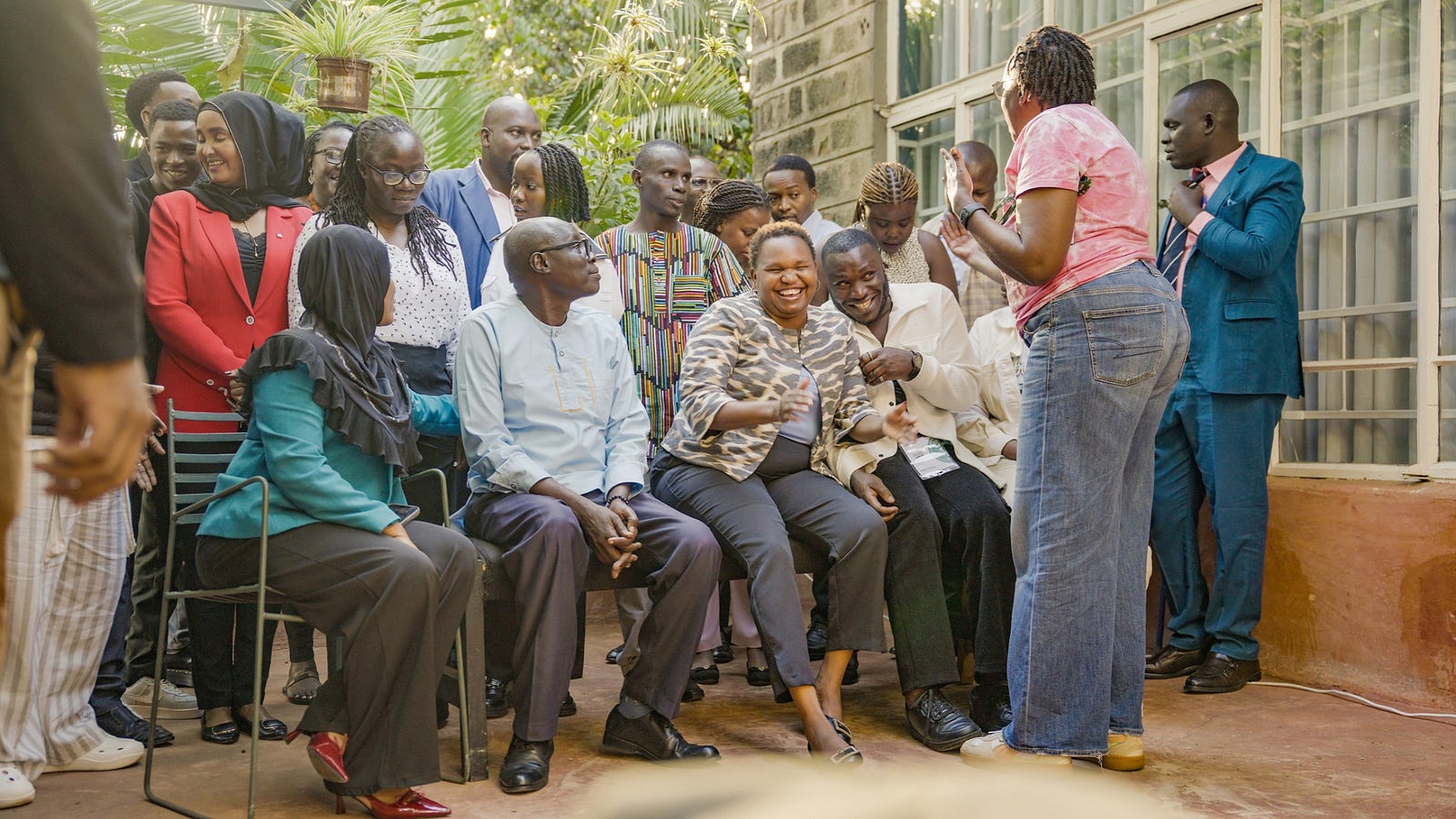
What connects these leaders is their determination to shape change, often without the resources or institutional support that match their ambitions. They are already developing ideas, mobilising people, building teams and strengthening institutions.
The question is not whether these leaders have the vision to create change. It is whether the wider development ecosystem is prepared to recognise that vision and invest in the organisations they are building.
This article is part of a 4-part series, From the ED’s Desk, exploring why investing in proximate leaders means investing in the organisations behind their work. The next article explores what happens when we invest in the organization behind the work, highlighting how MAMA HOPE’s Localization Development Accelerator (LDA) strengthens leadership, systems, and long-term sustainability. Through real partner experiences and outcomes, we show how nine months of learning, coaching, and connection translate into meaningful organizational transformation.