Inside the process of MAMA HOPE’s Board recruitment + Q&A with Dr. Shilpa Tiwari.
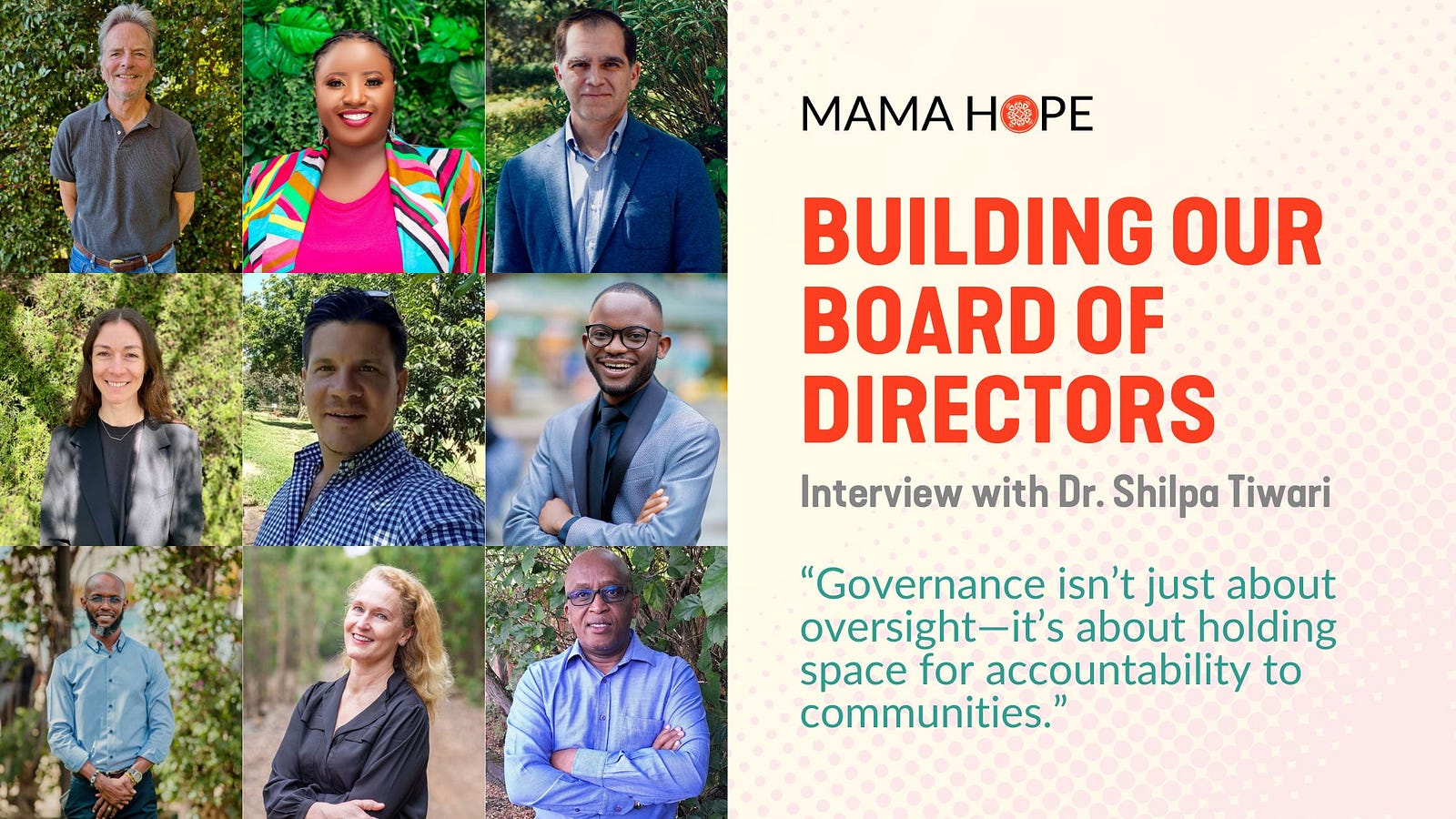
At MAMA HOPE, we’ve always believed that true partnership starts with trust, shared values, and listening deeply. That’s how we approach our work with communities — and that’s the approach we brought to reimagining our Board of Directors.
As we enter a new chapter of growth and learning, we recognize that a strong, values-aligned, and globally-rooted board would be critical to stewarding our mission.
“I joined MAMA HOPE’s board because its approach resonates deeply with my values — center the community, build trust first, and back people, not just projects.” Gidibo Tindwa.
So we decided to build intentionally, not just to fill seats, but to create a governance team that reflects who we are and who we serve. To do this right, we brought on an external consultant with expertise in inclusive board development and a deep understanding of grassroots-to-global systems.
We worked with Dr. Shilpa Tiwari to build our board, and from the end of last year, we watched in awe as she took us and the entire process through a thoughtful, well-planned step-by-step process.
Our Post-Project Chat with Dr. Shilpa Tiwari
Q: What’s your expertise in Building Boards for Organizations?
A: Over the past 15 years, I’ve supported a range of organizations — from multinationals to grassroots NGOs — in shaping governance structures that aren’t just functional but reflective of their mission and values. My background in sustainability, social impact, and international development has allowed me to build and advise boards across sectors, including fair trade enterprises, global non-profits, and impact funds.
When it comes to board-building, my approach blends technical governance expertise (e.g., bylaws, fiduciary duties, risk management) with a deeper understanding of power dynamics, inclusion, and strategy. For MAMA HOPE, the challenge wasn’t just to create a board — it was to build a governing body that could hold space for both rigor and radical empathy.
Q: Why Board Governance Is Essential for Locally-Led Development?
A: Organizations like MAMA HOPE that prioritize locally-led development often work at the intersection of global systems and grassroots realities. This makes board governance not just a compliance exercise but a tool for protecting the integrity of the mission. A strong board ensures:
- Accountability to both donors and communities.
- Resource stewardship that respects local autonomy.
- Power balancing between global supporters and local leaders.
Without robust governance, there’s a risk of replicating the very hierarchies and inequities that locally-led development seeks to dismantle. The board becomes a safeguard for values like equity, transparency, and shared leadership.
Q: What Values and Principles Guided the Recruitment Process?
A: For MAMA HOPE, the recruitment process was rooted in a few guiding principles:
- Mission Alignment: Every board member needed to believe in the power of community-led solutions and be willing to learn from the communities MAMA HOPE serves.
- Diversity as Strategy: We looked beyond the usual suspects — intentionally seeking diverse lived experiences, regions, and professional sectors.
- Skills and Spirit: Governance experience was important, but so was humility and a commitment to the work. We also wanted thought partners.
- Equity in Process: We ensured the recruitment process itself was inclusive, creating space for reflection and dialogue (not just interviews), so candidates could understand MAMA HOPE’s values and vice versa.
Q: How did you identify the right individuals (Skills, Regions, Perspectives)
A: We began with a matrix: outlining the key competencies (finance, fundraising, legal, program oversight) alongside regional perspectives (especially from the Global Majority countries) and lived experience (local leadership, marginalized identities).
But beyond the grid, it was about relationships. We asked: Who holds wisdom from the field? Who challenges systems while working within them? Who can bring both strategy and soul to governance?
We prioritized:
- Individuals with roots or experience in the regions MAMA HOPE operates.
- People from philanthropy, finance, legal, community organizing, impact investing, and communications.
- Those with experience in shifting power dynamics, not just navigating them.
Q: How did you ensure Inclusion, Representation, and Alignment with Mission
A: Inclusion wasn’t just about representation — it was about voice and influence. We removed barriers in the process — providing clear information about expectations, offering flexible meeting schedules, and clarifying that financial contributions were about personal significance, not fixed amounts. We prioritized candidates from historically marginalized communities and ensured they had equal footing in decision-making processes.
Q: What were the thoughtful or unconventional elements in the process?
A: The following stood out:
Collective Reflections Before Appointments: After interviews, candidates were invited to reflect on MAMA HOPE’s values and how they could contribute. This was less about evaluating them, more about starting the dialogue.
Community-Led Questions: We integrated questions into the interview process that allow us to ensure candidates were attuned to ground realities.
Onboarding as Relationship-Building: Instead of a one-time orientation, onboarding was a multi-step process, including
- Listening sessions with MAMA HOPE staff
- Story-sharing about why each board member was committed to MAMA HOPE’s mission.
These steps helped break down the traditional board hierarchy, fostering a sense of shared ownership.
Q: What did you learn about MAMA HOPE through this process?
A: This process deepened my understanding of MAMA HOPE’s courage. The organization was willing to reimagine governance — to resist the pressure of “business-as-usual” boards and create something that felt aligned with its ethos of partnership and equity.
I saw a commitment to learning and unlearning. To hold both rigor and heart. MAMA HOPE was clear that governance wasn’t just about oversight — it was about holding space for accountability to communities.
Building this board wasn’t just an exercise in compliance — it was an act of solidarity.
Dr. Shilpa Tiwari is a Sustainability & ESG Strategist and Founder, No Women No Spice | Connect on LinkedIn.
Meet the MAMA HOPE Board
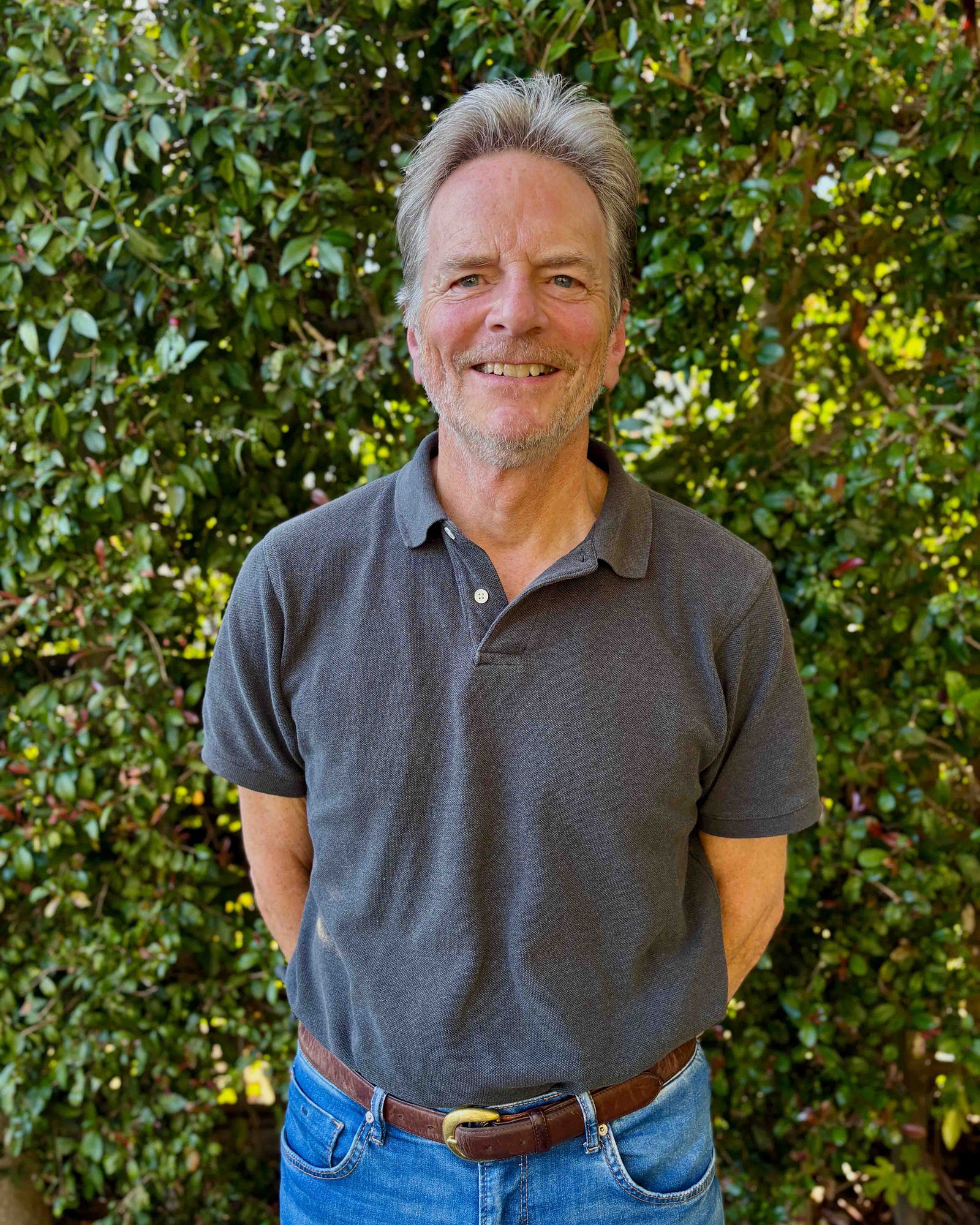

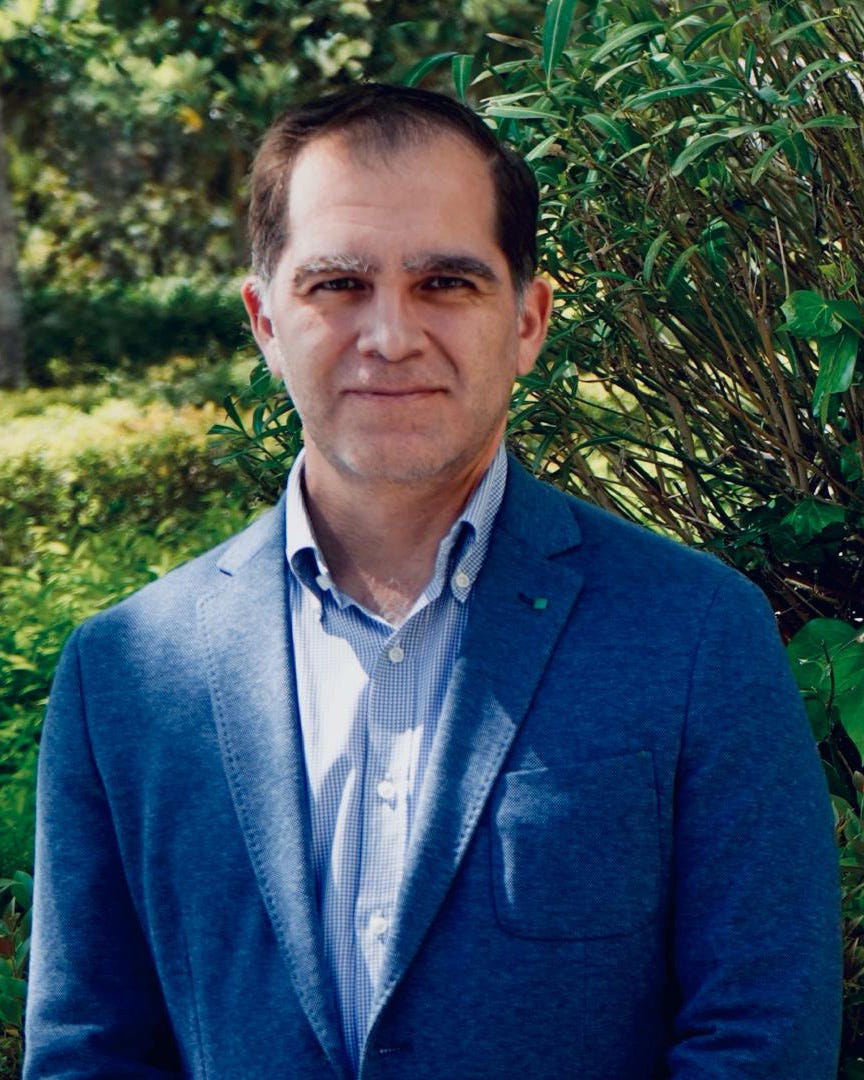
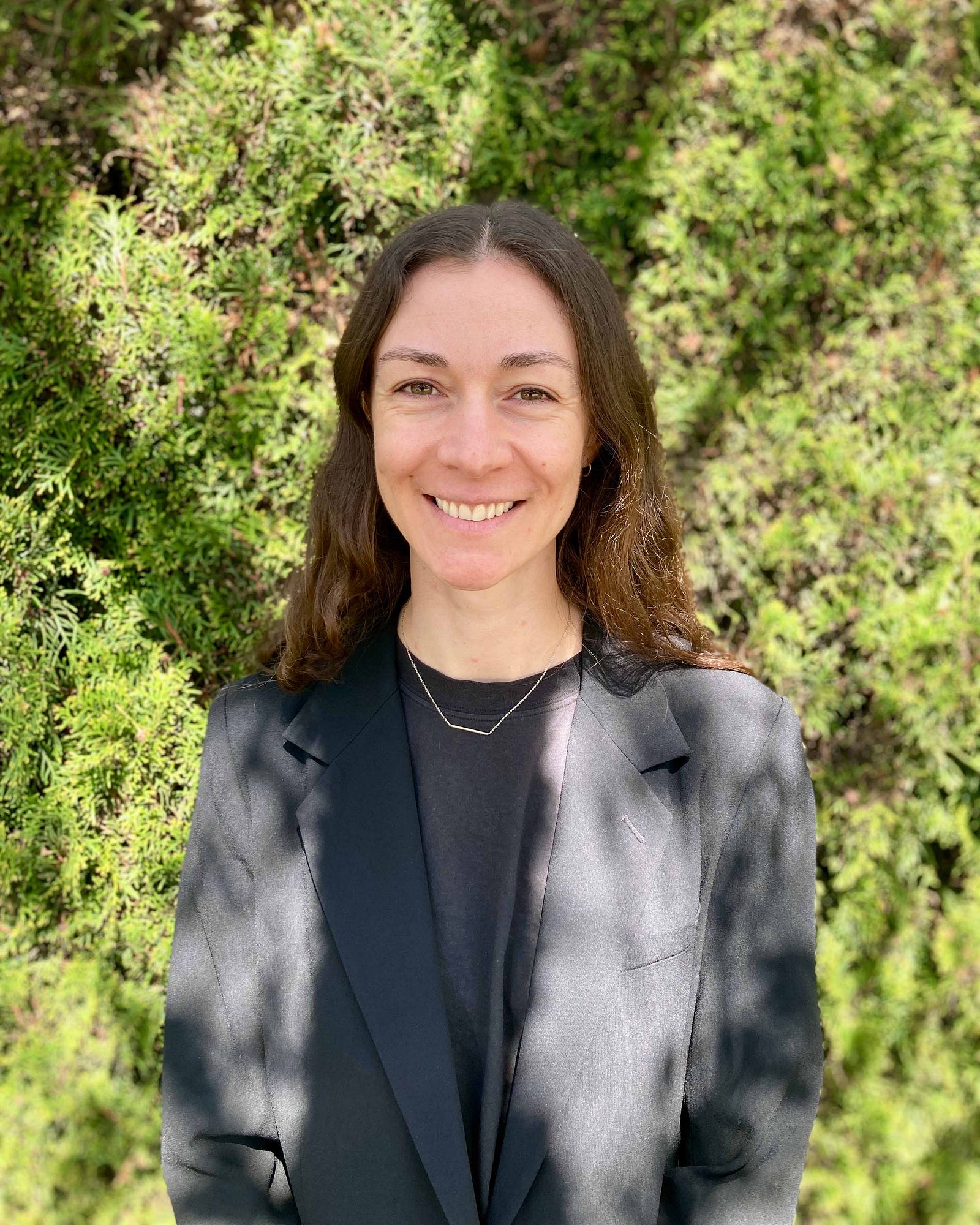

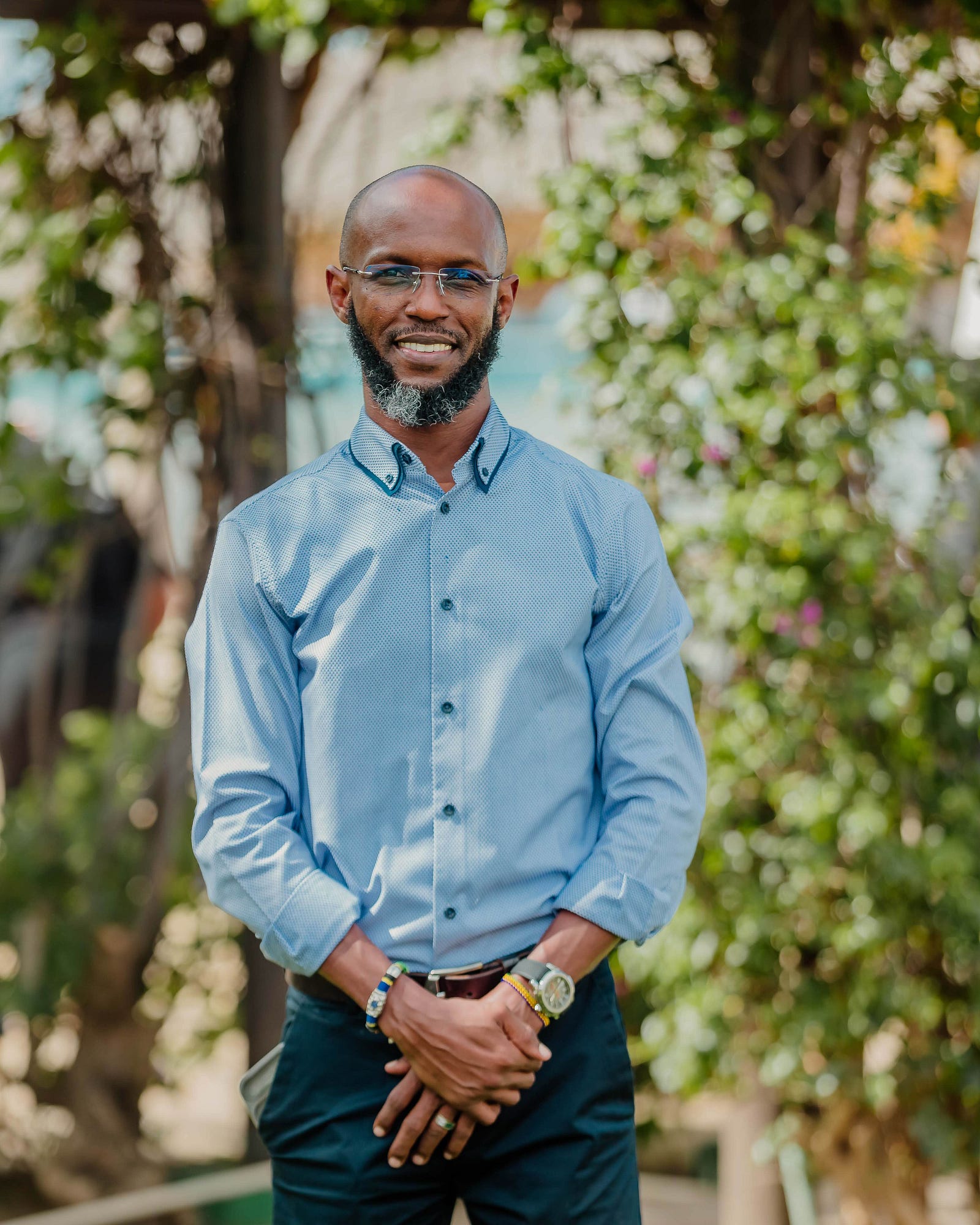
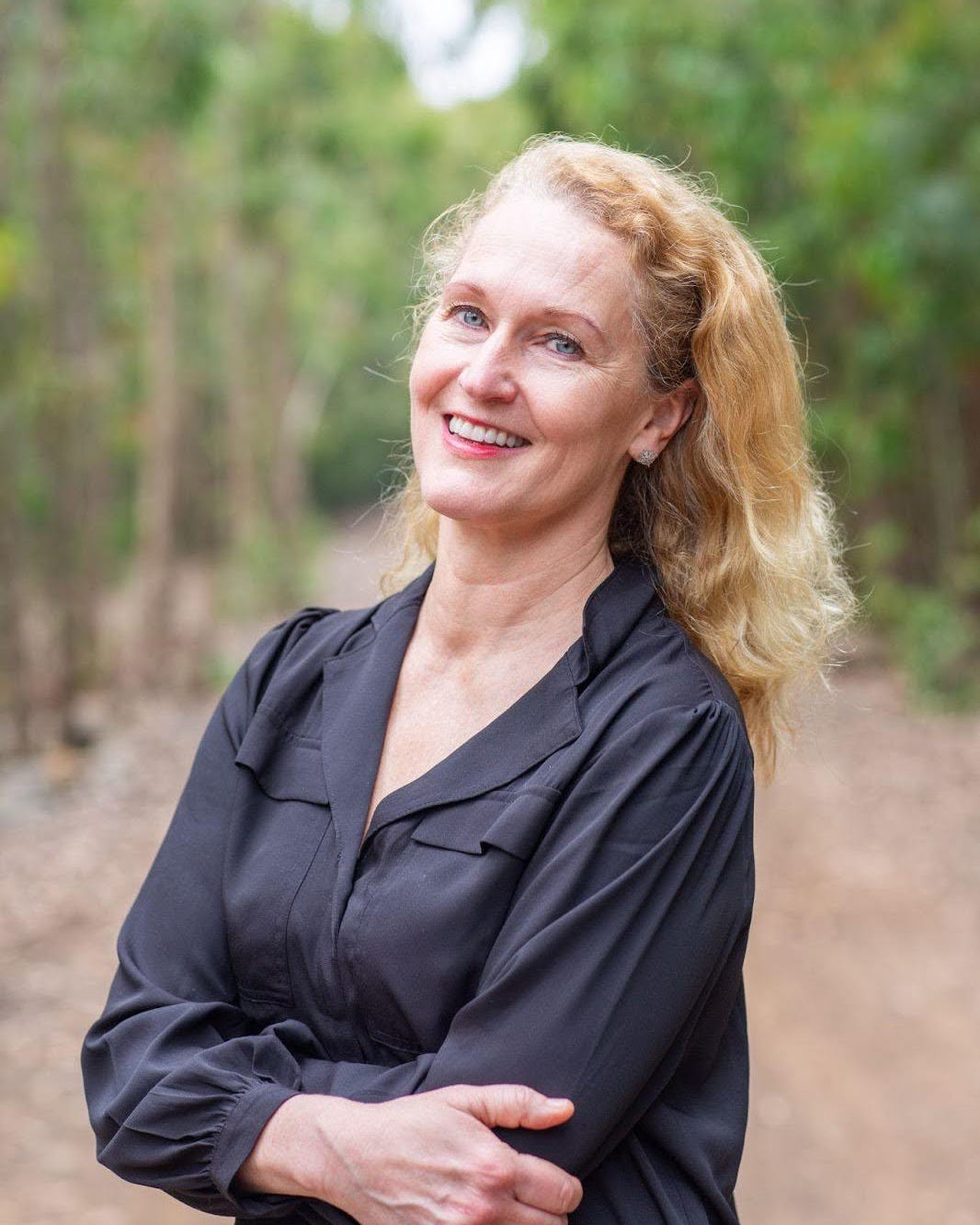
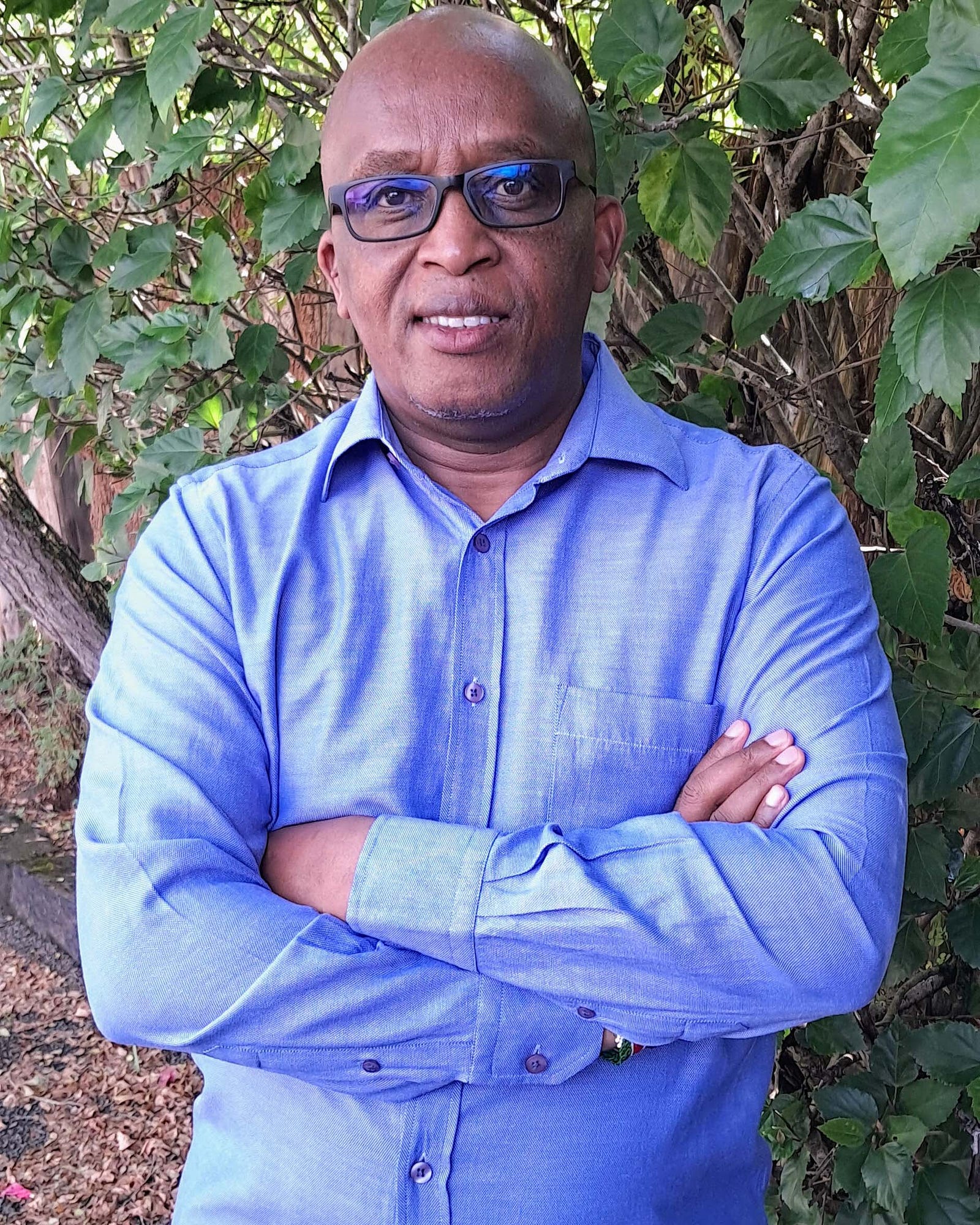
For MAMA HOPE, this board is more than a governance body — it’s a collective of thought partners, listeners, challengers, and vision-holders. Together, we aim to work in guiding MAMA HOPE through our next chapter — anchored in accountability, energized by opportunity, and centering the community.
We’re excited for what’s ahead. Join us in welcoming and celebrating our new Board of Directors.
Learn more about our organization here: www.mamahope.org/about/