How young African Changemakers are responding to issue-based — not just geographical — communities
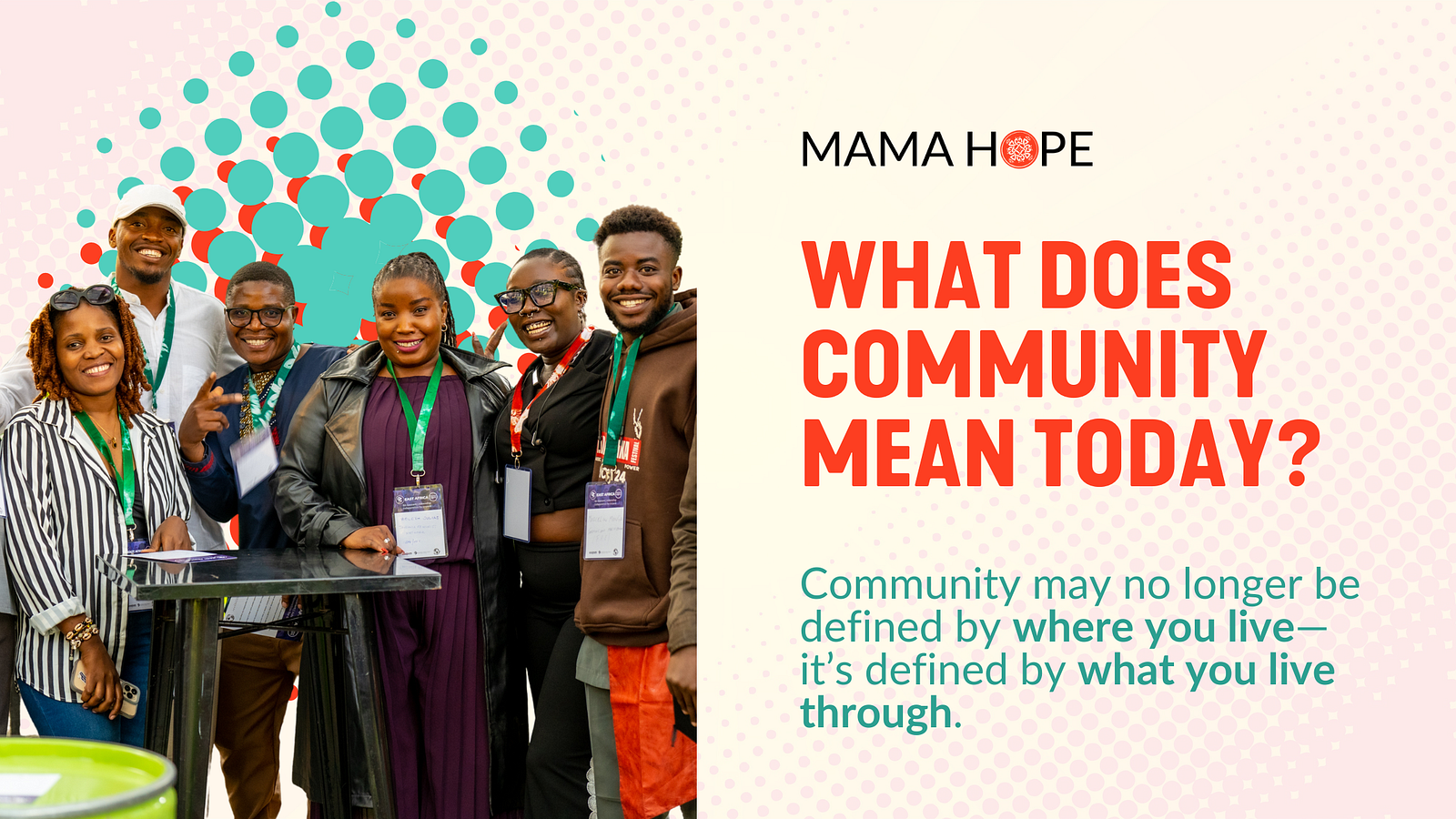
The word ‘community’ is commonly defined as: “a group of people living together and practising common ownership”. A definition that in the global development sector often evokes a specific image of a village, rural, underserved, where support is lacking and can be delivered from the outside. This has shaped funding models, program design, and even the language of impact, but that narrative is no longer holding.
A new generation of young leaders is reshaping the meaning of community. Based on the other definition of community as: “The condition of sharing or having certain attitudes and interests in common”. These leaders have been bringing about the idea that communities can be built around shared values, shared dreams, and challenges faced. For them, community may no longer be defined by where they live — it is increasingly being defined by what they live through.
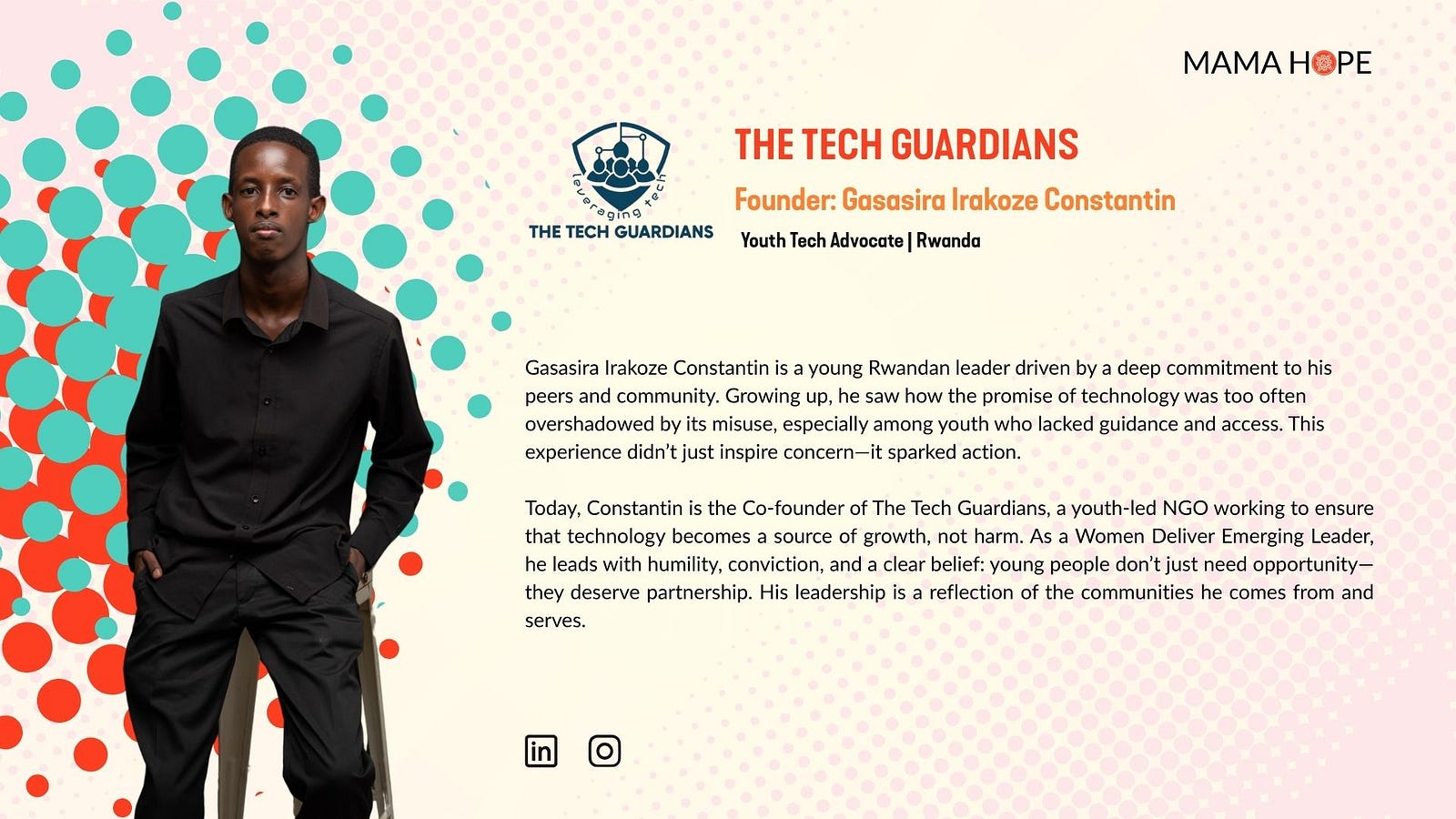
This is why we’re rethinking how we talk about local leadership. Too often, the term is misunderstood as referring only to someone working within their hometown or village. That narrow view can limit how people see the scope of their impact.
But in reality, many of the leaders we work with are addressing challenges that cut across regions — and are building networks, movements, and solutions that scale because they’re grounded in shared realities, not fixed locations. When we shift our focus from geography to the issue itself, we unlock smarter, more connected ways of creating change.
The Role of Proximate Leadership
At MAMA HOPE, we work with the unseen heroes of global development. These are leaders who run locally-led organizations in East Africa that support communities around areas of focus such as digital exclusion, mental health stigma, gender injustice, LGBTQI+, climate change resilience, and education inequity. Issues that go beyond the urban, rural, local, and national divides.
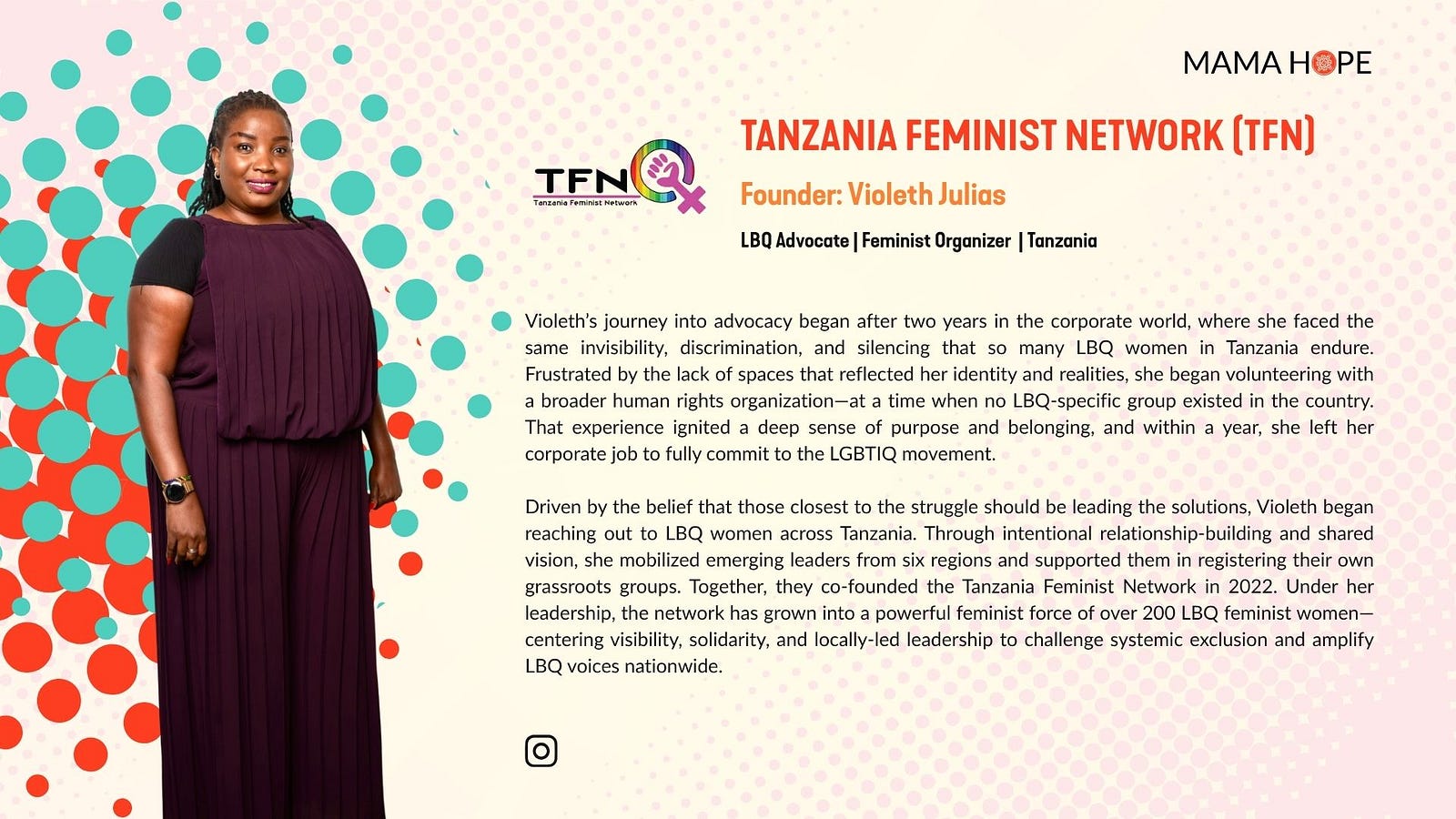
Young changemakers are responding around issue-based communities, with many of them working outside of where they were raised because they are drawn by solidarity, not geographical similarity. What fuels their work is not physical proximity to place but to pain, to possibility, and to purpose.
Communities of change are being formed in digital spaces, across countries, with aligned values, built on shared purpose, mutual learning, and a refusal to accept the world as it is.
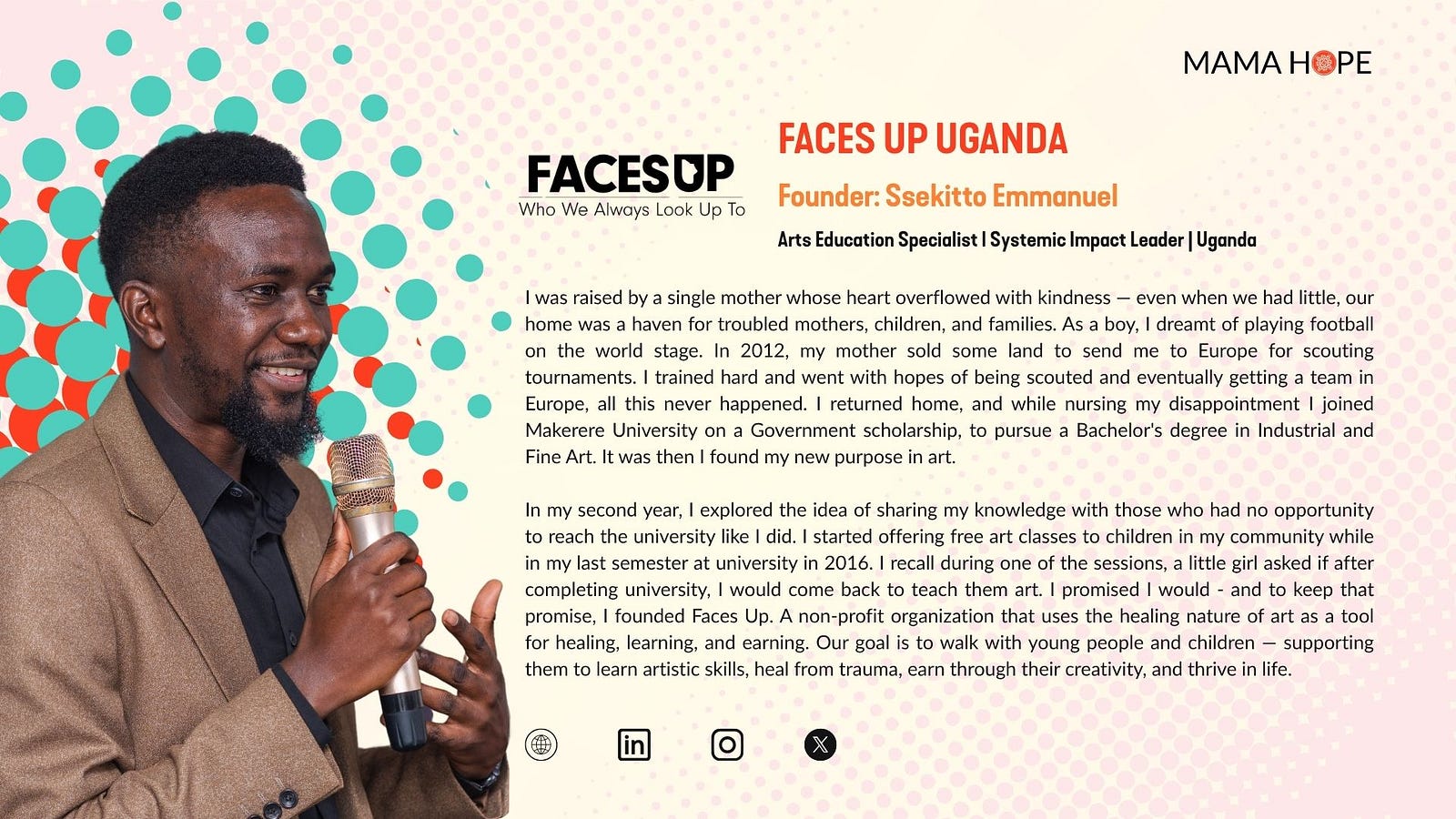
The Challenge for the Sector
As we continue to challenge the global development sector to invest in and advocate for these unseen heroes, we all run the risk of missing the beating heart of today’s most relevant and resilient movements — if we continue to define communities solely by geography. We also risk excluding leaders who are closest not to one place, but to one problem, and are doing the deep, systems-level work of addressing it.
It also challenges philanthropic models built around neat, location-based interventions. Solutions today are intersectional and mobile; they don’t always sit neatly within traditional program boxes. Communities are gathering in WhatsApp groups, online classrooms, mobile clinics, and social media forums. If our funding and evaluation tools can’t adapt to that reality, we’re measuring the wrong impact.
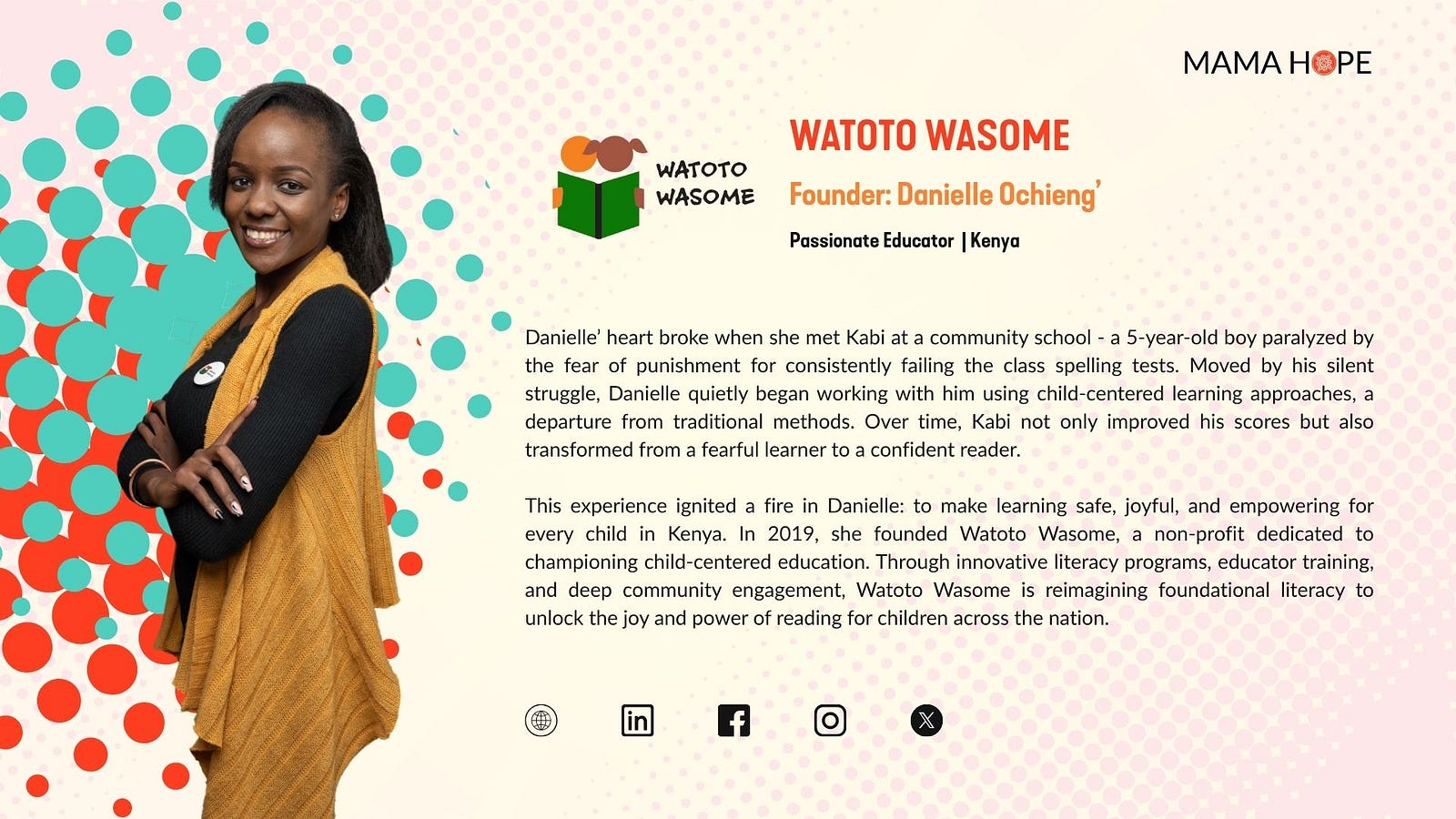
In a way we are being invited to reimagine what community means — and to update the frameworks we use to support it. That means investing in movements that are fluid, inclusive, and often youth-led. It means recognizing that today’s “village” might be a digital platform, a cross-county coalition, or a mental health support group. And it means resourcing not just what is easy to measure, but what is essential to transform.
The future of global development lies in meeting the community where it truly lives: not just in place, but in purpose.