by Vincent Mwangi | Co-Ed at MAMA HOPE
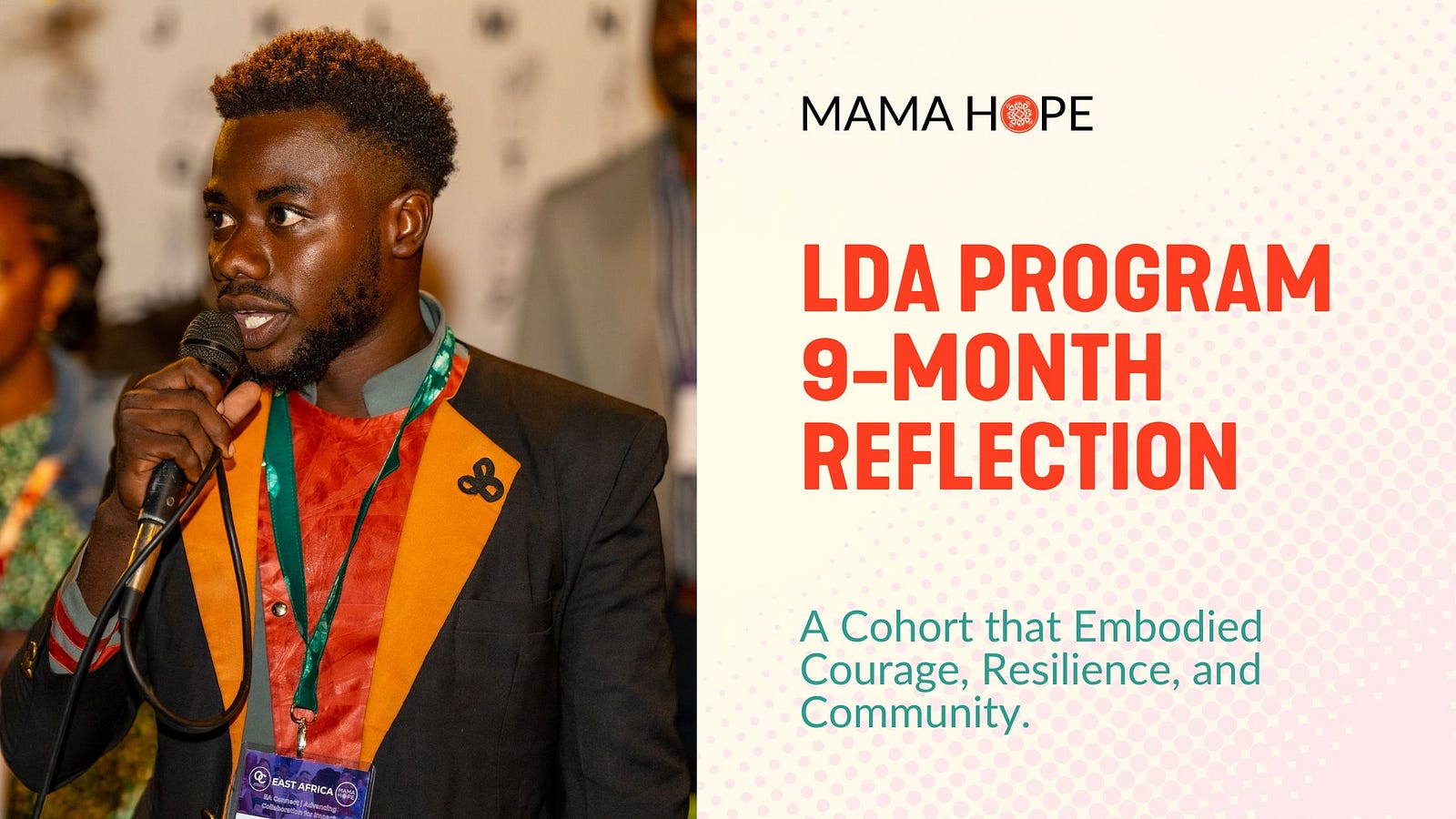
The year 2025 has been a rollercoaster for the global development sector. Major funding cuts by organisations like USAID have led to projects stalling, jobs being lost, and even a loss of hope. Board rooms, conference halls, and Zoom meetings have been filled with ‘What next?’ as organisations, both donors and doers, rush to rethink their strategies and survival, respectively.
While it’s true that funding is declining, grassroots leaders, on the other hand, are expanding. While multilateral funding tightens, communities are reorganising themselves. While the world steps back, we see these leaders step forward.
Everywhere you look, communities continue to be burdened with climate shocks, economic loss, among other problems, and yet the systems designed to anchor them continue to shrink. It has been a year when communities are carrying more yet receiving less, as has been the case for years. The OECD warned this year that official development assistance (ODA) could fall by up to 17%, with under-resourced countries, many of them in Africa, facing declines of up to 28%. This is statistical, yes, but also a warning.
Where Hope Lives
Twenty (20) leaders from Kenya, Uganda, Tanzania, and Rwanda applied and got accepted into the Localisation Development Accelerator (LDA) program early this year, as the world was turning away at the very moment communities needed it.
Despite this, the LDA 2025 cohort felt like the opposite of contraction; they felt like an embodiment of courage, resilience, and community. Of course, when they applied to join the LDA program, they had a goal: to increase their visibility and grow their impact. But these leaders brought with them their unique strengths and wisdom from their lived experiences.
These are leaders who have faced unique challenges, from running early-stage organisations, which the sector always overlooks due to their perceived lack of capacity, to some being unregistered due to systemic barriers by their respective governments. Regardless, they’ve built organisations out of need, grief, hope, and memory. Leaders who have worked at the peripheries, in places where global aid rarely stays long enough to understand.
Partners’ Take
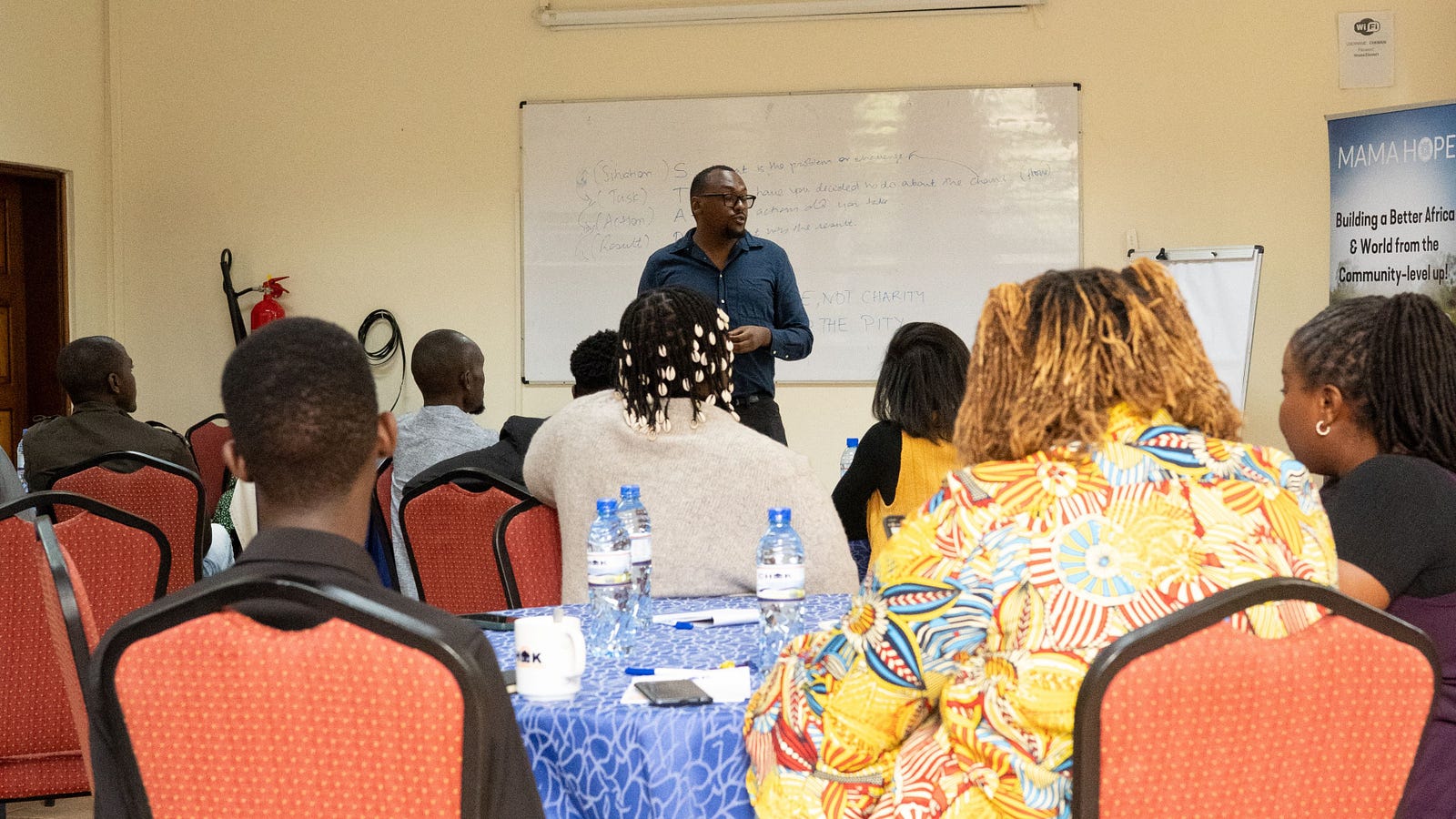
Meet Marcelin Munga from Farming Health and Education (FHE) in Kenya, whose LDA journey began with a realisation that his personal story and that of his organisation were inseparable. He discovered a new clarity in being able to articulate why FHE exists, weaving the thread from childhood memory to community mission.
As he refined his organisational background, something shifted; suddenly, talking about FHE to stakeholders felt natural, coherent, and grounded. Structuring and strengthening the organisation followed. FHE has been able to formalise its advisory board, improve compliance, and found a sturdier footing to carry its work forward. FHE is growing into an institution with shape, direction, and visibility.
Constantin Gasasira from Rwanda, and the leader of the Tech Guardians, the LDA program was a turning point for him. It was a transition from dreaming to structuring. Before the program, the organisation existed as a community initiative without national registration.
Towards the end of the program, Tech Guardians had become a nationally registered entity with its first strategic plan stretching all the way to 2028. For Constantin, fundraising no longer feels mysterious. Communications no longer feel overwhelming. Budgeting, once something he did not know where to begin, has become a living tool. The LDA shifted Tech Guardians from “we hope we can” to “we now have the roadmap”.
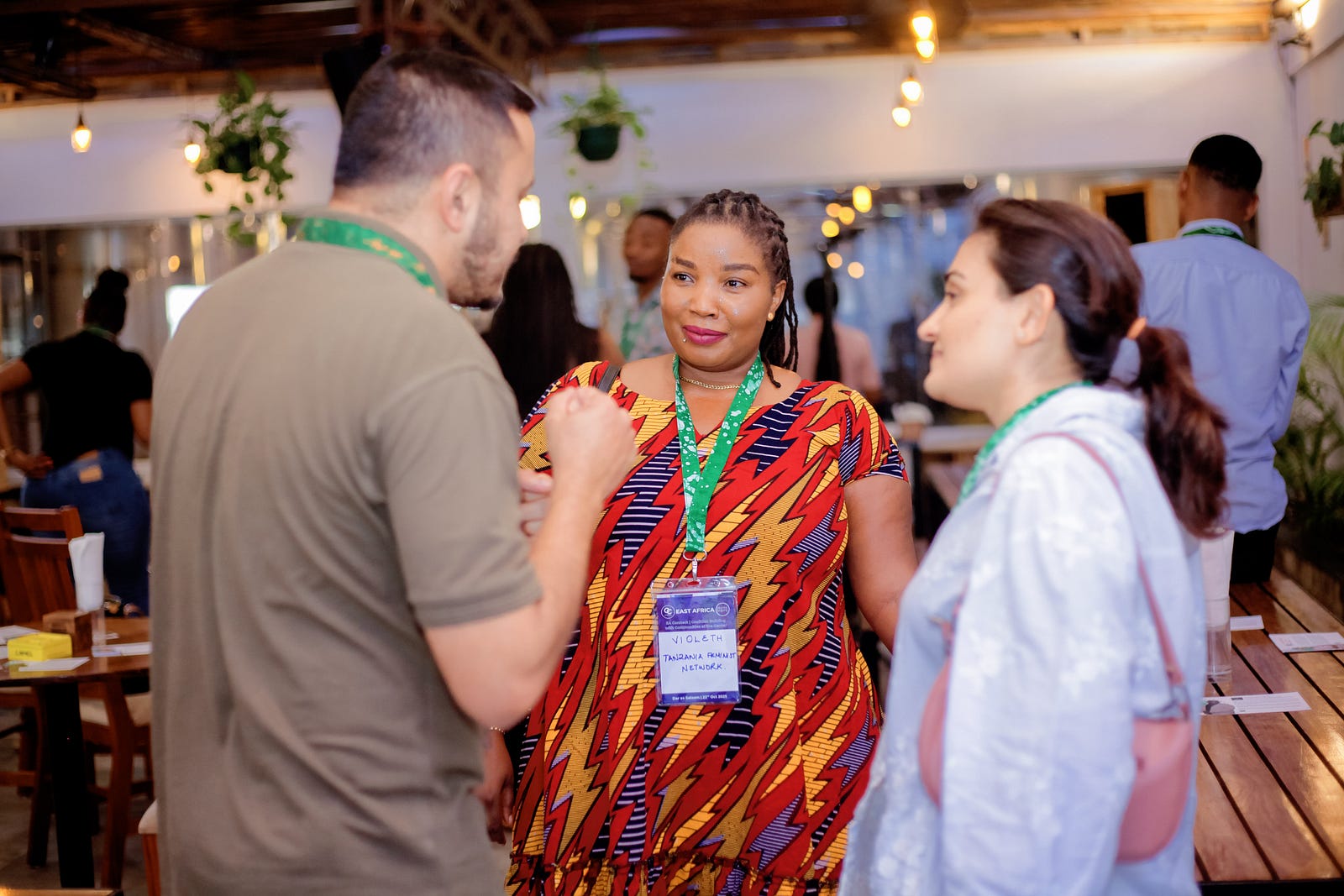
Six in 10 children in low to middle-income countries are unable to read a simple sentence. It’s within this context that Danielle Ochieng’ from Watoto Wasome, came to the LDA searching for a way to hold the weight of that number without losing herself. Through the program, she began to see that scaling impact does not require scaling chaos. It requires clarity. The LDA, for her, became not just organisational development, it became a personal transformation.
She learned to articulate her work with precision, to understand what sets Watoto Wasome apart, and to move forward with a sense of internal stability. But perhaps more importantly, she found belonging. Being part of the cohort has taught her that she is not alone, that other leaders are navigating the same frustrations, questions, and quiet burdens. In a sector where small organisations often fall through the cracks, the LDA reminded her, “We see you, and you matter.”
For Violeth Julius of the Tanzania Feminist Network (TFN), joining the LDA was an act of courage, a belief that her work deserved amplification. And it did. Through the program, TFN gained the visibility and legitimacy it had been seeking. Being recognised on MAMA HOPE’s platforms has been symbolic, as it has strengthened the organisation’s standing, both internally and publicly. With guidance and accompaniment, TFN developed its first strategic plan, a major milestone that will be launched this December. For Violeth, the LDA has become a space not just of learning, but of becoming.
Watch the Interview with Noella Luka, Founder Mental Health Africa
Winding it Down
What struck me this year is how deeply these stories counter the prevailing global narrative of shrinking commitments and decreasing support. While it’s true that funding is declining, grassroots leaders, on the other hand, are expanding. While multilateral funding tightens, communities are reorganising themselves. While the world steps back, we see these leaders step forward. The LDA Program didn’t coach them on how to survive a system that is failing; it helped them to imagine and build systems of their own.
Throughout the program, I have been reminded that the heart of locally-led development is not technical. It is emotional. Relational. It is built through companionship, through the slow work of building trust, through the courage to speak honestly about daily struggles. Soft leadership, the kind that listens, honours, and connects, is often dismissed as unprofessional. But in 2025, it has become clear: softness is a form of resistance. It is the quality that allowed these leaders to continue building even as global support receded.
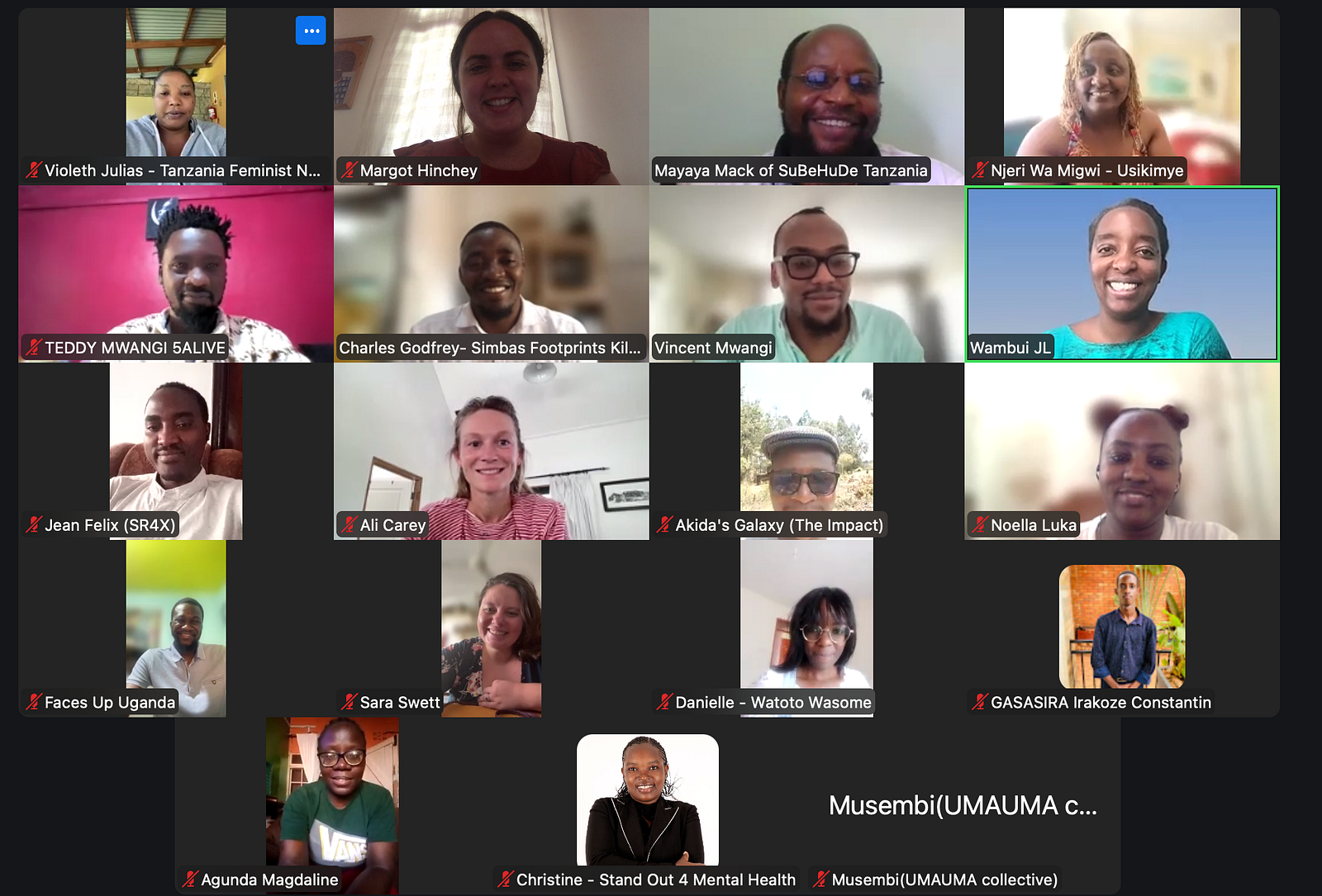
As the 2025 cohort steps into The Collective, our alumni network, which is a space not of closure, but of continuation. A space where their journeys weave together into something larger than any single organisation. The Collective is where they will co-create, challenge, imagine, and build. It is where leaders committed to locally-led change can design alternative systems rooted in community, solidarity, and shared growth.
Support More Proximate Leaders
In January of 2026, we will begin recruiting our next cohort of leaders. We need your support to extend this opportunity to more deserving visionaries in the year ahead. Here are ways you can help:
- $25 provides workbooks and other program materials to partners
- $360 provides one-on-one coaching to a partner, providing hands-on support as they build the systems they need to scale
- $2,400 provides a partner with over 16 hours of one-on-one coaching to support their learning over the course of the 6 modules
- $12,500 funds one partner through the full 9-month LDA program